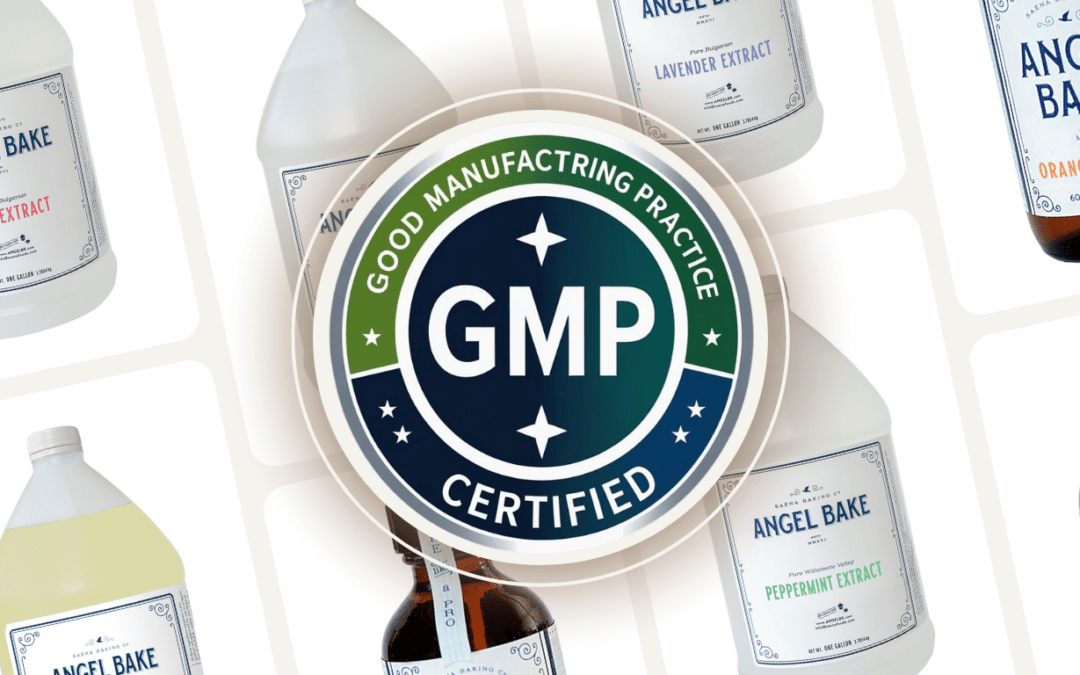
We are proud to announce that Saena has successfully passed NSF Good Manufacturing Practices (GMP) audit with an impressive score of 95.
This independent, third-party audit reviewed every aspect of our production operations. It ensured we meet the highest standards of food safety and quality. The audit evaluated our facility, warehousing and manufacturing processes, employee practices, sanitation protocols, equipment maintenance, pest control, chemical control, packaging and labeling, and more. These are all key components of a robust GMP program.
Achieving this certification is a testament to our unwavering commitment to producing safe, high-quality pure extracts under the Angel Bake® brand. Our team worked diligently to prepare for this audit documenting all aspects of our operations. They implemented corrective actions where needed and ensured continuous improvement across our operations.
At Saena, we believe food safety is not a one-time accomplishment but a continual journey. That is why, alongside our GMP program, we have developed a full-scale HACCP program. This strengthens our food safety systems further. It ensures that products we produce meets the strictest safety standards while delivering the pure, authentic flavors our customer expect.
We are grateful to our team for their dedication and to our customers for their continued support. We look forward to continuing to provide you with the highest quality extracts, manufactured safely and responsibly at our Portland, Oregon facility.
Key Highlights:
-
NSF GMP audit completed on June 2, 2025 with a score of 95
-
Commitment to continuous improvement and food safety excellence
-
Full HACCP program underway to complement GMP systems
🔗 For more information about our quality standards and products, visit angelbk.com.
Who Regulates Flavor Products? Understanding the Roles of FDA, TTB, FEMA, and GRAS in the Flavor Industry
The world of flavor manufacturing is governed by several U.S. regulatory bodies and scientific panels that work together to ensure that products—like the pure flavoring extracts made at Saena under the Angel Bake® brand—are safe, transparent, and truthfully represented. Whether you are a chef, food manufacturer, or beverage developer, understanding who does what can help you make more informed decisions when selecting premium flavor ingredients.
Below is a clear breakdown of the major regulators and industry organizations behind flavor safety and compliance in the United States.
FDA — Food & Drug Administration
The U.S. Food & Drug Administration (FDA) oversees the safety of most food ingredients sold in the United States—including natural and artificial flavors.
Under the Federal Food, Drug, and Cosmetic Act, the FDA regulates:
-
Ingredient safety
-
Labeling and claims
-
Good Manufacturing Practices (GMP)
-
Food additives and flavoring substances
-
Adulteration and misbranding protections
For flavor manufacturers like Saena Baking Co., FDA regulations set the framework for:
-
Proper ingredient identity (e.g., “Pure Peppermint Extract”)
-
Safe manufacturing conditions
-
Accurate allergen declarations
-
Clean-label compliance
Learn more:
🔗 FDA on Food Ingredients and Packaging: https://www.fda.gov/food/food-ingredients-packaging
TTB — Alcohol and Tobacco Tax and Trade Bureau
The TTB regulates products that contain alcohol—including many flavor extracts that use alcohol as a solvent.
Extracts such as vanilla, citrus, and botanicals often fall under TTB oversight when they:
TTB’s role includes:
-
Regulating the use and storage of alcohol in manufacturing
-
Approving formulations for alcohol-based extracts
-
Monitoring tax compliance related to alcohol usage
Saena Baking Co. works with TTB-approved formulations to ensure that our alcohol-based extracts meet federal specifications for purity, composition, and manufacturing integrity.
Learn more:
🔗 TTB on Nonbeverage Products and Formulas: https://www.ttb.gov/nonbeverage-products
FEMA — Flavor and Extract Manufacturers Association
The Flavor and Extract Manufacturers Association (FEMA) is not a government agency but a scientific and regulatory industry body.
FEMA is responsible for:
-
Reviewing flavoring substances for safety
-
Publishing expert evaluations
-
Maintaining the FEMA GRAS program (Generally Recognized As Safe)
Many flavoring ingredients used in professional kitchens and food manufacturing facilities—including essential oils—are evaluated through FEMA’s expert panel.
FEMA helps the flavor industry maintain high standards of safety, scientific review, and regulatory alignment with FDA.
Learn more:
🔗 FEMA Official Website: https://www.femaflavor.org/
Understanding GRAS — “Generally Recognized As Safe”
GRAS is a regulatory designation that identifies substances considered safe for use in food under the conditions of intended use.
GRAS determinations can occur in two ways:
-
Through scientific procedures
— Independent experts review available research and determine safety.
-
Through common use in food prior to 1958
— Some ingredients are historically recognized as safe due to long-standing use.
Many natural flavor components—such as citrus oils, peppermint, vanilla, or rose derivatives—are recognized under FEMA GRAS or FDA GRAS criteria.
This provides manufacturers, chefs, and food developers assurance that:
-
The ingredient has undergone scientific review
-
It is accepted for safe use in foods
-
It meets U.S. regulatory expectations
Learn more:
🔗 FDA GRAS Overview: https://www.fda.gov/food/generally-recognized-safe-gras
How These Bodies Work Together
While their responsibilities differ, FDA, TTB, and FEMA collectively create a comprehensive system of oversight:
| Organization |
Role in Flavor Regulation |
| FDA |
Ensures ingredient safety, truthful labeling, GMP, and compliance with food laws |
| TTB |
Regulates alcohol used in extracts, approves formulas, oversees tax compliance |
| FEMA |
Conducts scientific evaluation of flavoring substances; manages FEMA GRAS listings |
| GRAS |
Provides a recognized safety framework for flavor chemicals and natural ingredients |
Angel Bake® extracts are produced within these regulatory frameworks to guarantee safety, purity, and consistency for both professional and home culinary applications.
Why This Matters for Chefs, Bakers, and Food Manufacturers
When you choose a flavoring product—especially for commercial use—you want assurance that:
-
Ingredients are safe and compliant
-
Manufacturing follows strict standards
-
Labels are accurate and transparent
There’s something undeniably enchanting about the aroma of fresh roses. Yet, if you’ve ever tried a synthetic or “rose-flavored” product and felt underwhelmed, you’re not alone. Real rose essence is a harmonious ensemble of compounds—everything from terpenes to alcohols, esters, and trace phenolics—that come together to create the soft, layered scent we know and love.
Most imitation rose flavorings rely on a few dominant chemicals to approximate a rosy smell:
-
Phenylethyl alcohol for a sweet floral note
-
Citronellol or geraniol to mimic that fresh rose “top note”
-
Possibly a hint of nerol or minor esters to round out the profile
While this blend can smell “floral,” it rarely captures the full complexity that pure rose extract exudes. If you compare real rose extract side by side with an imitation, you’ll notice the latter can be one-dimensional—sometimes even sharp or soapy—missing the delicate nuances that make real rose so captivating.
Real rose petals, especially those from premium varieties like Bulgarian roses, contain a veritable bouquet of aromatic constituents:
-
Terpenes (e.g., geraniol, citronellol, nerol) that deliver that signature, dewy rose top note
-
Phenylethyl alcohol contributing a soft, sweet floral character
-
Trace esters that weave in subtle fruity or honey-like hints
-
Other minor volatiles that lend depth and “roundness,” preventing any single note from dominating
When gently extracted, these molecules remain in their natural synergy, producing a perfume-like fragrance that is both delicate and rich—something nearly impossible to recreate using just a handful of isolated chemicals.
Saena’s Commitment to True Floral Essence
At Saena, our Angel Bake Bulgarian Rose Extract embodies the authentic flavor journey that nature intended:
- No Artificial Shortcuts
We rely on pure rose petals and a refined extraction process, avoiding synthetic additives that flatten the rose character into something harsh or overpowering.
- Naturally Nuanced
You’ll catch the subtle green-fresh top notes, the sweet floral heart, and the smooth, lingering finish that only real rose essence can provide.
- Versatile Uses
From artisan desserts and confections to cocktails, tea blends, or even savory dishes needing a gentle floral flourish, our rose extract is a culinary game-changer.
- Consistent Quality
We source top-grade roses with stringent quality checks, ensuring each batch meets our standards of potency, purity, and flavor fidelity.
Why Choose True Rose?
While imitation recipes might emulate the main floral elements, they often can’t deliver the subtle transitions—the bright, dewy opening, the satin-soft mid-palate, and the delicate lingering finish. This is the result of nature’s meticulously balanced aromatic profile, refined through generations of cultivation and careful harvesting.
In pastry creams, buttercreams, honey infusions, or even a rose latte, the depth and harmony of genuine rose extract simply can’t be matched by synthetic blends. Consumers often describe the effect as “romantic,” because the floral essence feels authentic rather than perfumy or harsh.
At Saena, we believe there’s no substitute for what nature does best. Our Angel Bake Bulgarian Rose Extract delivers the full tapestry of rose aroma—terpenes, phenylethyl alcohol, esters, and more—in one convenient, easy-to-use bottle. There’s no need to cobble together a half-dozen flavor chemicals; with our pure extracts, you get a ready-made infusion of real rose character—exactly as the petals intended.
Ready to Explore the True Floral Edge?
Embrace the enchanting world of real rose flavor with Saena’s Bulgarian Rose Extract. For wholesale inquiries, recipes, or more information, contact us at [email protected] or follow us on Instagram at @angelbake for endless inspiration.
Saena Baking Co. – Crafting authentic flavors that bring the essence of nature straight to your kitchen, one petal at a time.
Authentic botanical character is only one part of format selection. The carrier and delivery system also need to match the application:
- Culinary Aromatics rose extract: An alcohol-based format suited to beverages, syrups, cocktails, finishing, and other aqueous or alcohol-compatible systems. Explore Bulgarian Rose Extract.
- Pure Infusions rose flavor oil: An MCT-carried, oil-soluble option that is often more optimal for fat-phase and high-heat applications such as ice cream, chocolate and cocoa liquor, breads, candy, cake batter, buttercreams, fillings, sauces, and dressings. Explore Bulgarian Rose Flavor Oil.
- Culinary Crystals and Encapsulated Essences: Made-to-order dry formats for applications requiring immediate dry dispersion or flavor protection through processing, heat, moisture, or storage. Discuss a made-to-order dry flavor.
Compare all four options in the Angel Bake flavor-format guide, or review rose extract versus rose water.
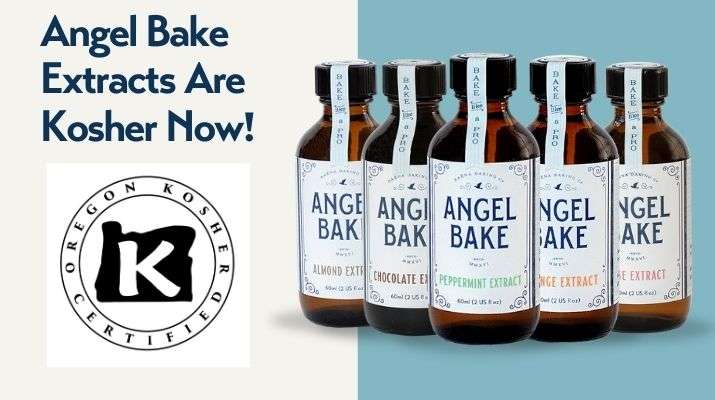
We are delighted to announce that Saena has successfully completed a rigorous audit by the Oregon Kosher Agency and received official Kosher certification for our manufacturing facility and select products. This certification highlights our continued commitment to meeting and exceeding the highest quality and dietary standards.
Our certified products include:
- Pure Almond Extract
- Pure Bulgarian Lavender Extract
- Pure Bulgarian Rose Extract
- Pure Cardamom Extract
- Pure Chocolate Extract
- Pure Clove Extract
- Pure Extract Giftset
- Pure Lemon Extract
- Pure Madagascar Vanilla Extract
- Pure Peppermint Extract
- Pure Star Anise Extract
- Pure Valencia Orange Extract
All of these products are certified Pareve, meeting stringent dietary guidelines that provide confidence to our customers. We will continue collaborating closely with our Kosher certification agency to ensure that all of our products—both current offerings and any future additions—consistently meet and maintain Kosher standards.
We proudly align ourselves with the values and integrity represented by the Oregon Kosher Agency, a respected leader in kosher supervision. For more details or to verify our certification, please visit the Oregon Kosher certification portal.
Thank you for your continued support as we strive to deliver products that reflect our unwavering dedication to quality and trust.
For chefs, bakers, baristas, and beverage developers, flavored syrups and concentrated flavors solve different formulation problems. Syrups combine flavor, sweetness, water, and viscosity in one ingredient. Unsweetened flavor concentrates let the formulator control those variables separately. The better choice depends on the finished product, service model, and desired ingredient statement.
1. Separate Flavor from Sweetness
Most conventional flavored syrups contribute both flavor and sweetener. Increasing the syrup normally increases both. With an unsweetened Angel Bake Culinary Aromatics extract, a professional can adjust flavor intensity separately from sugar, honey, or another sweetening system. This is useful for coffee, tea, cocktails, mocktails, sparkling beverages, glazes, and culinary syrups made to a house specification.
The flavored syrup bottles reviewed for this comparison list approximately 80–100 calories per one-ounce serving, primarily from sugar. Angel Bake extracts are unsweetened concentrated flavors, allowing the developer to create full-sugar, reduced-sugar, or unsweetened recipes without receiving a fixed amount of syrup sugar with every flavor addition. Nutrition claims for the finished food or beverage should still be calculated from the complete recipe and serving size.
3. Control Texture, Dilution, and Storage
Ready-to-use syrup adds water, sweetness, and volume. That can be convenient in a service setting, but it may be undesirable when the recipe already has its own sweetener or when storage space and dilution matter. Concentrated flavors require a separate recipe step but allow tighter control of solids, viscosity, and finished yield.
4. Documented Cost and Serving Advantage
A 2-ounce bottle of Angel Bake extract provides approximately 200–300 recommended servings. Angel Bake’s tested starting point is generally 3–5 drops per cup, adjusted for the particular flavor, desired intensity, and formulation. Compared with the serving information on the flavored syrup labels reviewed for this article, one Angel Bake bottle can flavor approximately six times as many servings. That means less package volume, less storage space, and a substantially lower flavor cost per finished serving.
For beverages, syrups, cocktails, mocktails, finishing, and other aqueous or alcohol-compatible systems, Culinary Aromatics alcohol-based extracts are generally the best starting point.
For formulations with a meaningful oil or fat phase—including chocolate, cocoa liquor, ice cream, candy, cake batter, buttercreams, fillings, sauces, and dressings—Pure Infusions MCT-based flavor oils are often more optimal, particularly when high heat is involved.
For dry beverage mixes, bakery premixes, or applications requiring dry dispersion or flavor protection, Culinary Crystals and Encapsulated Essences are available as made-to-order B2B formats.
The Professional Choice Is Application-Specific
Flavored syrup remains convenient when a standardized combination of sweetness and flavor is exactly what the operation needs. Angel Bake concentrates are valuable when the professional wants to manage flavor, sweetness, texture, and dosage as separate formulation decisions.
Use our flavor-format guide to compare all four lines, or contact Saena for a made-to-order dry format or technical application discussion.
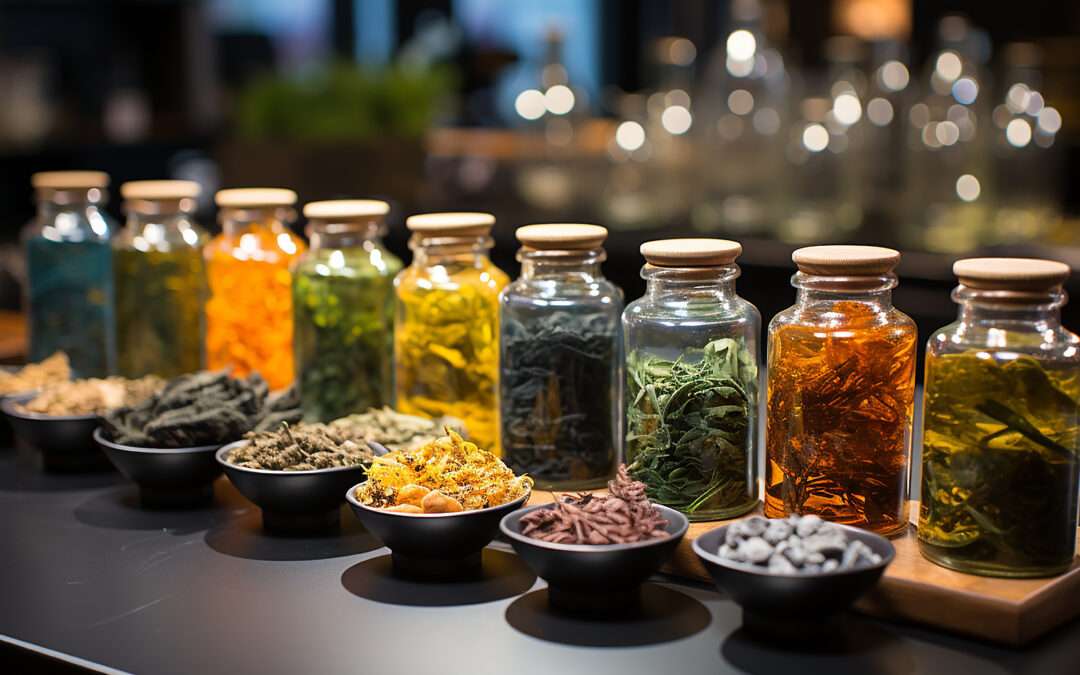
In professional kitchens, fresh botanicals, dried ingredients, and concentrated flavors each have a place. Fresh lemon zest, whole spices, and herbs can contribute texture, color, and visual identity. Concentrated flavors provide a different advantage: repeatable aroma and flavor with less preparation and a controlled addition to the recipe.
Angel Bake Culinary Aromatics are natural, unadulterated FTNF flavors, meaning From the Named Food. Pure Infusions provide an MCT based option for oil and fat phase applications. Saena also offers Culinary Crystals and Encapsulated Essences as made to order dry formats.
1. Concentrated Flavor and Aroma
Angel Bake Culinary Aromatics deliver a concentrated sensory impression with a small measured addition. This allows chefs to build flavor without grinding spices, zesting citrus, or steeping botanicals for every batch.
- Lemon: Add bright citrus flavor without the labor and texture of zest.
- Lavender: Add a controlled floral profile without pieces of dried botanical in the finished food.
- Cardamom: Add warm aromatic character without grinding and straining pods.
The goal is not always to replace the fresh ingredient. A chef may use both. Fresh material can provide appearance and texture, while a concentrated flavor establishes the desired sensory profile.
2. Consistency Across Batches
Fresh and dried botanicals can vary because of season, growing conditions, storage, handling, and time since harvest. A standardized Angel Bake flavor helps the kitchen establish a repeatable starting point. The chef can record the dosage and adjust for the particular recipe, flavor, and desired intensity.
3. Efficiency and Precision
Concentrated flavors reduce chopping, grinding, zesting, steeping, and straining when the recipe does not require the physical botanical. Use Angel Bake dosage recommendations as a starting point, then adjust through tasting and bench testing.
4. Storage and Cost
Fresh botanicals can perish quickly. Dried botanicals last longer, but their aroma may decline with age or poor storage. Concentrated flavors also require proper storage and stock rotation, but their compact format can simplify inventory and reduce preparation waste. Compare the complete cost per serving or batch, including labor, storage, dosage, and finished yield.
5. Choose the Carrier for the Application
Angel Bake Culinary Aromatics are alcohol based and contain no added water. They have been tested successfully in chocolate liquor, the cocoa mass used in chocolate making. The small amount of inherent moisture did not create processing problems in Angel Bake testing.
Pure Infusions are now the optimal starting point for chocolate, cocoa liquor, ice cream, candy, cake batter, breads, buttercreams, fillings, sauces, dressings, and other formulations with a meaningful oil or fat phase. They are also well suited to many high heat processes.
Culinary Aromatics remain useful in compatible chocolate work. A chocolatier may choose them when a slight alcohol bite is part of the intended sensory profile. The amount of alcohol that remains depends on dosage, temperature, processing time, and the point of addition.
6. Culinary Aromatics as a Finishing Mist
Culinary Aromatics can function much like a culinary perfume. A light spray or mist places fresh, concentrated aroma at the surface of a finished food, where it can be experienced immediately.
This technique can enhance pastries, chocolates, desserts, fruit, beverages, and plated savory dishes. Culinary perfume is a sensory analogy. Culinary Aromatics are food ingredients, not conventional fragrance products. Establish the appropriate dosage and application method before service.
- Culinary Aromatics: Alcohol based flavors for beverages, syrups, cocktails, finishing, aqueous systems, and culinary misting.
- Pure Infusions: MCT based flavor oils for oil and fat phase formulations and many high heat applications.
- Culinary Crystals: Made to order dry flavors for dry blending and immediate dispersion.
- Encapsulated Essences: Made to order dry flavors for applications that benefit from flavor protection during processing or storage.
Conclusion
Fresh and dried botanicals remain valuable ingredients. Angel Bake and Saena flavor formats give professional kitchens additional control over aroma, consistency, labor, dosage, and process compatibility. The best choice depends on the phase of the food, processing conditions, desired sensory effect, and ingredient declaration.
Explore Culinary Aromatics
Explore Pure Infusions
Compare all four lines in the Angel Bake flavor format guide, or contact Saena about a made to order dry format or technical application.