Adding flavor to honey changes what the product is called, what the ingredient statement says, and in some cases what has to appear on the front of the jar. None of it is complicated. It catches producers who have only ever labeled straight honey, and it is far cheaper to know before the artwork goes to print than after.
The short version
- It is no longer just honey. The product name has to describe the characterizing flavor.
- The ingredient statement reads honey, then natural flavor.
- A qualifier may be required on the front panel, at half the height of the flavor name.
- Whether it is required depends entirely on how your flavor supplier built the flavor.
- In a multi flavor pack with shared label copy, one flavor can put that qualifier on all of them.
What this is, and what it is not.
This is a plain summary written from a flavor supplier’s side of the table. It is information about how flavors declare, not legal advice about your package. Your regulatory counsel makes the final call on your label.
Once you add flavor, it is not labeled as honey
FDA has published guidance on the proper labeling of honey and honey products. The relevant point for a flavored product is that when a flavor is added and the labeling represents that flavor, the product name must describe the characterizing flavor. The guidance uses the pattern raspberry flavored honey.
Simply calling the product honey is not correct once flavor is in it.
The varietal trap
A name like lavender honey reads to most shoppers as a varietal claim, meaning honey the bees produced from lavender nectar. That is a different product from honey that has had lavender flavor added to it. If yours is the second thing, the name needs to make that clear.
The ingredient statement
Components are listed by common name in descending order of predominance by weight. For a straightforward flavored honey, that is honey followed by natural flavor.
Two things people ask about. The carrier a flavor is built on is part of the flavor and is generally not called out separately, though a supplier should be able to tell you exactly what is in it and confirm how it declares.
And if you have added anything else, a sweetener, an acid, a preservative, a botanical inclusion, it belongs in the statement too. Adding a second sweetener changes the product name as well.
The qualifier that can land on your front panel
This is the rule that surprises people, and it comes from the flavor labeling regulations rather than the honey guidance. Simplified, there are three cases.
| If the characterizing flavor is |
The label result |
| Derived entirely from the food being named |
The flavor name can stand on its own. No qualifier needed. |
| Derived from the named food, plus other natural flavor that reinforces or rounds it |
The name must be accompanied by with other natural flavors, set at no less than half the height of the characterizing flavor name. |
| Simulated using natural flavor from a different source |
The label must identify the source actually used, or declare the product artificially flavored. |
The qualifier cannot be shrunk into a corner. It sits in your primary display panel, sized against the flavor name.
That half height requirement is what makes this a commercial issue rather than a compliance footnote. The flavor name is generally the largest type on the front of the jar, which sets how much room the qualifier takes with it.
FTNF and WONF, in plain terms
These abbreviations are flavor industry shorthand rather than regulatory terms, but you will hear them from any supplier and they map directly onto the three cases above.
- FTNF, from the named food. Every flavoring component derives from the food being named. An FTNF lavender is built from lavender and nothing else. It does not trigger the qualifier.
- WONF, with other natural flavors. The flavor starts with the named food, then uses natural flavor materials from other sources to build or reinforce the profile. It triggers the qualifier.
A WONF flavor is still entirely natural.
The other natural flavors in the name are exactly that, natural. The qualifier says nothing about synthetic or artificial ingredients. It is a statement about where the flavor came from, not about what kind of flavor it is.
Most commercial botanical flavors are WONF, and that is not a criticism of them. Building a lavender or a chamomile that is stable, consistent, and affordable from that botanical alone is genuinely difficult, and WONF is how most of the industry solves it.
But it is a choice with a labeling consequence, and it is worth knowing what WONF means on a flavor label before the label is designed rather than after.
A worked example: one flavor, a whole line affected
Here is a pattern worth watching for if you produce a multi flavor set or a gift pack.
Imagine a three jar flavored honey set where the packaging carries a single shared piece of label copy across all three products. This is common, because it is cheaper to print and simpler to manage. Two of the flavors come from one supplier and the third from another.
If any one of those flavor systems is a WONF, the qualifier has to appear. And because the copy is shared, it appears across the whole set. The jars whose flavors did not require it carry it anyway.
The practical consequence.
A single supplier choice on one product can determine the front panel of an entire line. If a shorter statement of identity matters to your brand or to your retail customer, audit the composition of every flavor in the set, not only the one you are currently reformulating.
Questions to settle before the artwork goes to print
- Is each flavor FTNF or WONF? Get it in writing, per flavor, not per supplier.
- What is the exact declaration language for each flavor in the ingredient statement?
- Does the product name make clear that the flavor was added rather than derived from the floral source?
- If it is a multi pack with shared copy, has every flavor been checked, not just the new one?
- Does anything else you have added need to appear in the statement, or change the product name?
What this does not cover
This piece is about the flavor related parts of a flavored honey label. It does not address net quantity, nutrition labeling, allergen declarations, country of origin, organic or raw claims, state level requirements, or the other elements a complete label has to satisfy.
It is also not legal advice. Take your draft panel to your regulatory counsel before you print.
For the technical side of choosing a flavor system, see our piece on flavored honey production.
Need the declaration language for a flavor you are considering?
We will send it, along with the specification sheet stating whether the flavor is built from the named food only, and the rest of our documentation. Useful before the artwork goes to print rather than after.
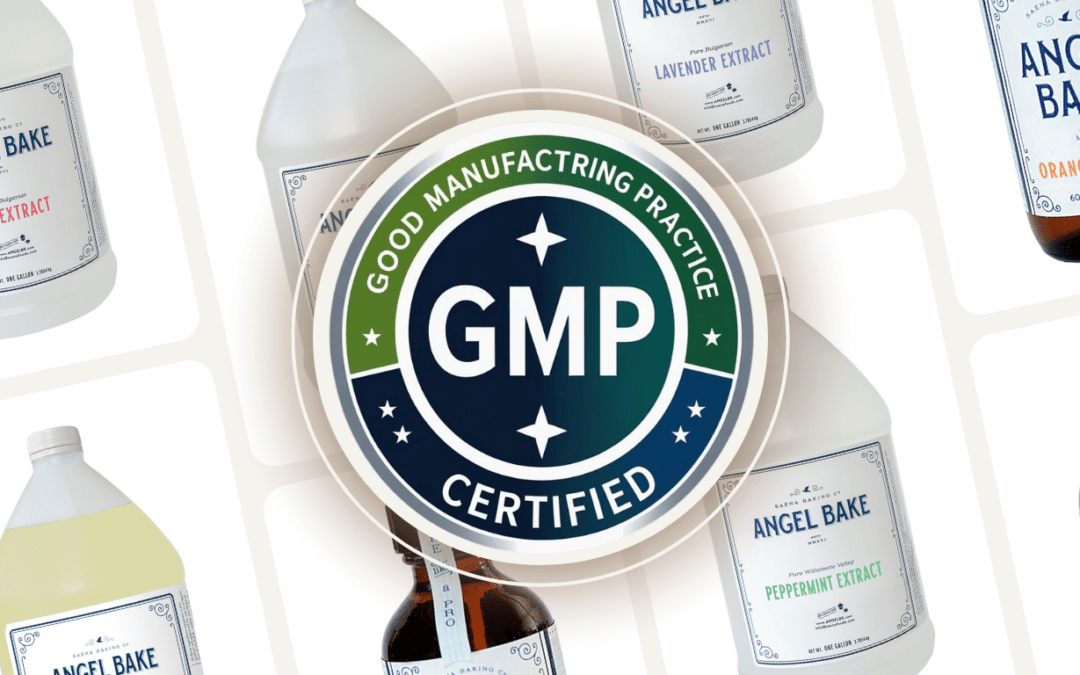
We are proud to announce that Saena has successfully passed NSF Good Manufacturing Practices (GMP) audit with an impressive score of 95.
This independent, third-party audit reviewed every aspect of our production operations. It ensured we meet the highest standards of food safety and quality. The audit evaluated our facility, warehousing and manufacturing processes, employee practices, sanitation protocols, equipment maintenance, pest control, chemical control, packaging and labeling, and more. These are all key components of a robust GMP program.
Achieving this certification is a testament to our unwavering commitment to producing safe, high-quality pure extracts under the Angel Bake® brand. Our team worked diligently to prepare for this audit documenting all aspects of our operations. They implemented corrective actions where needed and ensured continuous improvement across our operations.
At Saena, we believe food safety is not a one-time accomplishment but a continual journey. That is why, alongside our GMP program, we have developed a full-scale HACCP program. This strengthens our food safety systems further. It ensures that products we produce meets the strictest safety standards while delivering the pure, authentic flavors our customer expect.
We are grateful to our team for their dedication and to our customers for their continued support. We look forward to continuing to provide you with the highest quality extracts, manufactured safely and responsibly at our Portland, Oregon facility.
Key Highlights:
-
NSF GMP audit completed on June 2, 2025 with a score of 95
-
Commitment to continuous improvement and food safety excellence
-
Full HACCP program underway to complement GMP systems
🔗 For more information about our quality standards and products, visit angelbk.com.
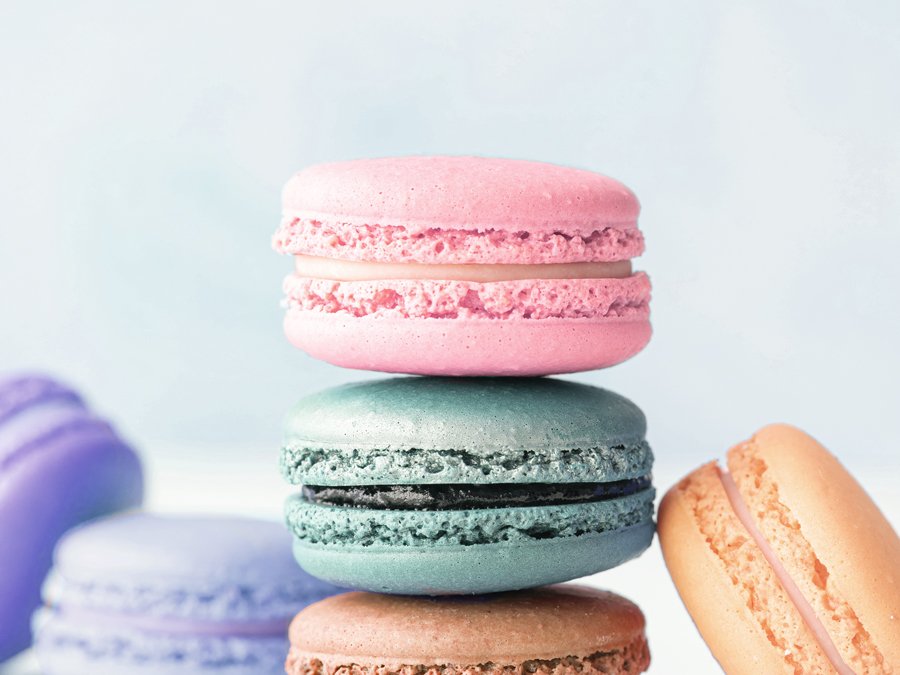
Angel Bake French Macaron Baking Mix Detailed Instructions
Product Description
Angel Bake® French Macaron Baking Mix Single Step All-in French Macaron Baking Mix.
Product Specifications
- Ingredients: Sugar, Almond Flour, Egg Whites, Rice Starch, Polyglycerol Ester of Fatty Acids (E 475), Mono and Diglycerides of Fatty Acids(E471), Xanthan Gum
- Shelf Life: 24 months from production date
- Storage Instructions: Store in a cool, dry place, away from direct sunlight.
- Allergen Information: Contains almonds (nut allergen). Contains eggs. Gluten Free.
- Net Weight: 25 lbs.
- Country of Origin: USA
Mixing Instructions
- Prepare Batter:
- Combine macaron mix, water (0.20 Water ratio to mix), food coloring (optional), and flavoring extract (optional) in a mixer bowl.
-
-
- To hydrate 4KG of mix, use 4000 x 0.2 = 800 grams of water.
- Recommended water temperature: 122°F–130°F.
- Add food coloring at any stage of mixing to achieve varied visual effects.
- Flavoring the shells is optional—for best results, use low-moisture options like Pure Angel Bake® Extracts.
-
- Mix using a paddle attachment: LOW speed for 1 minute, then MEDIUM speed for 4 minutes.
- This baking mix has a high tolerance to varied whipping duration and speeds.
- Yield: 1000 grams of mix produces approximately 100 macaron shells.
Piping Instructions
-
- Pipe batter into 1-inch circles (8–10 grams per portion) on a silicone tray liner.
- Shell size can vary up to 3-4 inches in diameter.
- Tap trays to flatten batter.
- This step is optional. Batter flattens by itself. There are no air bubbles to pop.
- Lightly oil silicone tray liners to prevent sticking (apply 5–6 drops of vegetable oil across the mat, then wipe dry with a paper towel).
- Only do this if lopsided shells are observed.
Baking Instructions
-
- Preheat convection oven to 280°F.
- Oven temp and cooking times depend on the type of oven, convection fan settings and shell size. The batter bakes the same as traditional recipes. Shells can be baked at 240 °F – 300 °F.
- There is no need to rest the shells when using convection type ovens. The circulating hot air will dry the surface before the shells rise.
- Shells can rest for up to 30 mins prior to baking.
- Bake macaron shells for 16-17 minutes.
- Allow the shells to cool completely before removing them from tray.
Technical Data
-
- Water Absorption: 0.20-0.21 water to mix ratio. To hydrate 1000 grams of mix use (1000 x 0.2 = 200 grams) of water.
- Recommended Water Temp: 122°F–130°F
- Yield: Approximately 100 macaron shells per 1000 grams of mix
- Recommended Baking Temp: 280°F (convection)
Choosing low-calorie syrups over traditional sugary syrups offers a way to reduce calories in your recipes. Low-calorie syrups made with alternative sweeteners are perfect for keto, low-carb, or diabetic-friendly recipes. With the addition of pure extracts, you can create syrups bursting with flavor, making them a healthier and more versatile alternative for beverages, desserts, and more.
Ingredients (Makes approximately 2 cups of syrup)
- 1 cup water
- 3/4 cup granulated erythritol (or a mix of erythritol and monk fruit sweetener for a well-rounded sweetness)
- 1 teaspoon pure extract (e.g., lavender, chocolate, rose, vanilla, etc.)
- 1/4 teaspoon xanthan gum (optional, for improved consistency and shelf stability)
- 1/2 teaspoon citric acid (optional, for added shelf life and acidity balance)
- 1/8 teaspoon potassium sorbate (optional, for preservation and shelf stability)
Instructions
- Prepare the Sweetener Base:
- In a small saucepan, combine water and granulated erythritol.
- Heat over medium heat, stirring frequently, until the sweetener is completely dissolved (do not boil).
- Incorporate Additives (Optional):
- Slowly sprinkle xanthan gum into the syrup while whisking continuously to prevent clumping. This will slightly thicken the syrup and improve its stability.
- Stir in citric acid to enhance flavor, balance acidity, and help preserve the syrup.
- Add Flavor:
- Remove the saucepan from heat and let the mixture cool to about 120°F (49°C).
- Stir in the pure extract of your choice. Start with 1 teaspoon, then adjust to taste. Pure extracts are concentrated, so a little goes a long way.
- Preserve and Bottle:
- If making the syrup for extended storage, mix in potassium sorbate to act as a preservative.
- Pour the syrup into a sterilized glass bottle or jar and seal tightly.
Storage and Shelf-Life Tips
- Store the syrup in the refrigerator for up to 2 weeks if no preservatives are added.
- With potassium sorbate, the syrup can last up to 3 months when refrigerated.
- For longer shelf life (up to 6 months), pasteurize the syrup by heating it to 180°F (82°C) before bottling it in sterilized containers.
- Always use clean utensils when handling the syrup to avoid contamination.
Suggested Flavors and Pairings
- Lavender Syrup: Adds a calming floral note to iced teas, lattes, lemonades, or cocktails.
- Chocolate Syrup: Perfect for mochas, hot cocoa, or drizzling over low-calorie desserts like yogurt or keto pancakes.
- Rose Syrup: Elevates rose-flavored sodas, mocktails, lattes, or Middle Eastern-inspired desserts.
- Vanilla Syrup: A classic for flavoring coffee, tea, or as a sweetener for smoothies.
- Orange Syrup: Brightens cocktails, sparkling water, or even savory marinades for a gourmet twist.
Additional Tips for Versatile Use
While syrups are great for adding sweetness and flavor to drinks and desserts, pure extracts offer an even more flexible solution. In many cases, there’s no need to create a syrup at all. Simply add your preferred low-calorie sweetener (like erythritol or stevia) directly to your recipe and use a few drops of pure extract for flavor. This allows you to adjust sweetness and flavor intensity separately, giving you greater control over your culinary creations.
By combining low-calorie sweeteners with the intense flavors of pure extracts, you can enjoy delicious, health-conscious recipes without added sugar. Whether you choose to create syrups or use extracts directly, your recipes will be packed with vibrant, natural flavors.
There’s something undeniably enchanting about the aroma of fresh roses. Yet, if you’ve ever tried a synthetic or “rose-flavored” product and felt underwhelmed, you’re not alone. Real rose essence is a harmonious ensemble of compounds—everything from terpenes to alcohols, esters, and trace phenolics—that come together to create the soft, layered scent we know and love.
Most imitation rose flavorings rely on a few dominant chemicals to approximate a rosy smell:
-
Phenylethyl alcohol for a sweet floral note
-
Citronellol or geraniol to mimic that fresh rose “top note”
-
Possibly a hint of nerol or minor esters to round out the profile
While this blend can smell “floral,” it rarely captures the full complexity that pure rose extract exudes. If you compare real rose extract side by side with an imitation, you’ll notice the latter can be one-dimensional—sometimes even sharp or soapy—missing the delicate nuances that make real rose so captivating.
Real rose petals, especially those from premium varieties like Bulgarian roses, contain a veritable bouquet of aromatic constituents:
-
Terpenes (e.g., geraniol, citronellol, nerol) that deliver that signature, dewy rose top note
-
Phenylethyl alcohol contributing a soft, sweet floral character
-
Trace esters that weave in subtle fruity or honey-like hints
-
Other minor volatiles that lend depth and “roundness,” preventing any single note from dominating
When gently extracted, these molecules remain in their natural synergy, producing a perfume-like fragrance that is both delicate and rich—something nearly impossible to recreate using just a handful of isolated chemicals.
Saena’s Commitment to True Floral Essence
At Saena, our Angel Bake Bulgarian Rose Extract embodies the authentic flavor journey that nature intended:
- No Artificial Shortcuts
We rely on pure rose petals and a refined extraction process, avoiding synthetic additives that flatten the rose character into something harsh or overpowering.
- Naturally Nuanced
You’ll catch the subtle green-fresh top notes, the sweet floral heart, and the smooth, lingering finish that only real rose essence can provide.
- Versatile Uses
From artisan desserts and confections to cocktails, tea blends, or even savory dishes needing a gentle floral flourish, our rose extract is a culinary game-changer.
- Consistent Quality
We source top-grade roses with stringent quality checks, ensuring each batch meets our standards of potency, purity, and flavor fidelity.
Why Choose True Rose?
While imitation recipes might emulate the main floral elements, they often can’t deliver the subtle transitions—the bright, dewy opening, the satin-soft mid-palate, and the delicate lingering finish. This is the result of nature’s meticulously balanced aromatic profile, refined through generations of cultivation and careful harvesting.
In pastry creams, buttercreams, honey infusions, or even a rose latte, the depth and harmony of genuine rose extract simply can’t be matched by synthetic blends. Consumers often describe the effect as “romantic,” because the floral essence feels authentic rather than perfumy or harsh.
At Saena, we believe there’s no substitute for what nature does best. Our Angel Bake Bulgarian Rose Extract delivers the full tapestry of rose aroma—terpenes, phenylethyl alcohol, esters, and more—in one convenient, easy-to-use bottle. There’s no need to cobble together a half-dozen flavor chemicals; with our pure extracts, you get a ready-made infusion of real rose character—exactly as the petals intended.
Ready to Explore the True Floral Edge?
Embrace the enchanting world of real rose flavor with Saena’s Bulgarian Rose Extract. For wholesale inquiries, recipes, or more information, contact us at [email protected] or follow us on Instagram at @angelbake for endless inspiration.
Saena Baking Co. – Crafting authentic flavors that bring the essence of nature straight to your kitchen, one petal at a time.