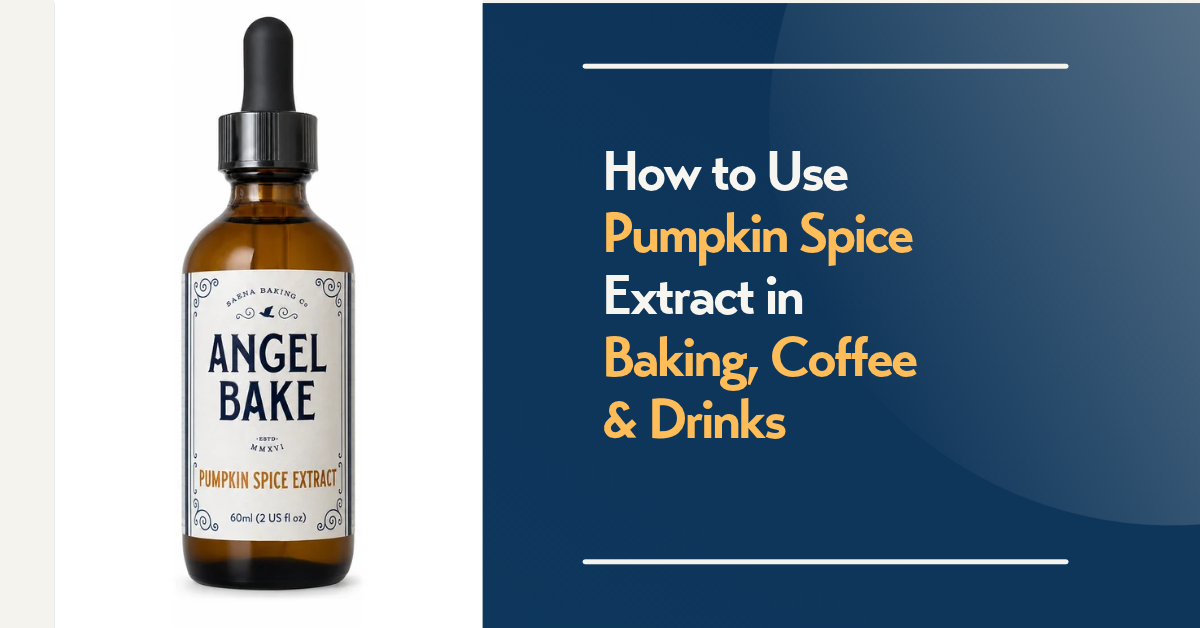
Pumpkin spice extract gives you the aroma of a balanced spice blend without adding ground spice, sweetness, or pumpkin puree. That makes it useful far beyond pie, but the best mixing point changes from a latte to a cookie to a chocolate filling.
- Decide whether you need spice, pumpkin, or both. The extract supplies the warm spice profile. Puree supplies pumpkin, color, moisture, and body.
- Match the format to the recipe. Culinary Aromatics suit many liquid systems while Pure Infusions suit fat rich systems.
- Build flavor before service or production. Test in the complete recipe because sugar, fat, dairy, coffee, and heat all change perception.
- Keep one note from taking over. Use individual cinnamon, ginger, or clove flavors only when the finished blend needs a deliberate adjustment.
If you are new to the blend itself, start with what pumpkin spice contains. For starting amounts in each kind of recipe, see our guide to how much extract to use.
In cakes and quick breads, add flavor with the wet ingredients
For pumpkin bread, muffins, snack cakes, and similar batters, Pumpkin Spice Culinary Aromatics® can be mixed with the wet ingredients before the flour goes in. That gives the flavor a chance to disperse before the batter thickens.
If the recipe already contains pumpkin puree, treat the puree and the spice as separate controls. The puree changes moisture, structure, color, and mild vegetable character. The extract adjusts the aromatic profile without forcing another structural change.
Cookies reveal whether the recipe is liquid led or butter led
A soft pumpkin cookie with puree and eggs behaves differently from shortbread or a butter cookie. The first has an obvious wet phase and often suits the extract. The second depends heavily on fat, so Pure Infusions may distribute more naturally through the dough.
This is why “for baking” is not a complete format decision. Read the recipe first, then use our guide to choosing the right pumpkin spice format if the right carrier is not obvious.
Coffee needs aroma without compulsory sweetness
Pumpkin spice coffee often arrives as a sweetened syrup, but sweetness and spice do not have to be purchased as one decision. An unsweetened extract lets a café or home barista create the spice profile first, then sweeten for the drink in front of them.
In a latte, the flavor can be incorporated into the syrup, the milk component, or the assembled drink. In cold brew, it can be built into a service concentrate or added during final preparation. What matters is consistent mixing and a complete taste check after milk, ice, and sweetener are present.
A seasonal coffee can accurately taste like pumpkin spice without containing pumpkin. If actual pumpkin is part of the recipe, identify it separately rather than treating the two ideas as interchangeable.
Chocolate, ganache, and caramel usually favor the oil format
For a pumpkin spice chocolate bar, praline, caramel, or fat rich filling, begin with Pumpkin Spice Pure Infusions™. Its organic coconut derived MCT carrier joins the fat phase directly and is palm free.
Add the flavor at a point where it can disperse evenly, then evaluate the finished confection after it has cooled or set. Warm chocolate releases aroma differently from a finished bar, and a bench sample that smells balanced in the bowl can read differently at service temperature.
Frosting and buttercream sit between the two formats
American buttercream contains a great deal of fat but also has a forgiving mixing process. Cream cheese frosting contains more water. Meringue buttercreams are emulsions. Either format may work, so choose a small bench trial instead of assuming every frosting wants the same carrier.
The same principle applies to cheesecake, pastry cream, and ice cream. Look at the phase in which the flavor will be introduced, then taste only after the full base is assembled.
How much pumpkin spice extract to use
Pumpkin spice extract is concentrated, so a little goes a long way. Use these rates per cup of the finished food or drink.
| Application | Starting rate |
|---|---|
| Latte, coffee, tea, hot cider | 3 to 5 drops per cup |
| Frosting, whipped cream, cheesecake filling, ice cream | 3 to 5 drops per cup |
| Cake, muffin, quick bread or cookie batter | 5 to 7 drops per cup |
| House syrup for coffee drinks | 1/4 teaspoon, about 50 drops, per cup of syrup |
The rates above are a starting point. Taste and adjust; every base is different. See our guide to how much extract to use for conversions to teaspoons and milliliters.
Finish a pumpkin spice latte with aroma
The Culinary Aromatics® Kit comes with a dropper and a spray nozzle. Flavor the drink with the dropper, then give the milk foam or whipped cream one light mist just before serving. The warm spice reaches the guest before the first sip, which is exactly what a seasonal drink should do. Read more about aromatic finishing.
Three individual spices can turn one seasonal flavor into a house profile
| Spice | Use it when the blend should feel |
|---|---|
| Cinnamon | Sweeter, softer, and more familiar |
| Ginger | Brighter, with peppery lift and a cleaner finish |
| Clove | Darker and deeper, used sparingly |
The full method is in our guide to customizing pumpkin spice with individual spices. All three are available as both Culinary Aromatics and Pure Infusions, so the adjustment can follow the same format choice as the base blend.
Start with Pumpkin Spice Culinary Aromatics for coffee, beverages, and broad baking use, or Pumpkin Spice Pure Infusions for chocolate and fat rich systems. Then use individual spice flavors only when your finished recipe tells you what is missing.