
Flavor Reference Library
Flavoring Extracts, Oils and Granulated Flavors Explained
Technical guidance for product developers, chefs and bakers who source pure flavor. Compare carriers, choose between liquid, oil, granulated and encapsulated formats, and dose with confidence from a single batch to a production run.
Format Guide
Which Flavor Format Is Right for Your Application
Liquid extract, flavor oil, granulated, or encapsulated — how to match the format to your product and process.
Read the guideCarrier Choice
Oil-Based vs Alcohol-Based Flavor
The carrier matters as much as the botanical. How each behaves in different applications, and how to choose.
Compare carriersApplication Methods
Flavoring, Aromatization, Finishing & Enhancement
Four distinct ways to apply flavor to food and drink — what each one means, and when to reach for it.
Read the guideDry Formats
Encapsulated vs Granulated Flavor
Two dry-format options for manufacturing — how they differ in protection, processing, and best-fit applications.
Compare formatsBrowse All Articles

How to Use Pure Vanilla Extract in Baking, Coffee, Frosting, and Desserts
Vanilla can soften chocolate, round out coffee, and make butter and dairy taste fuller. The best result depends on when you add it and what surrounds it.
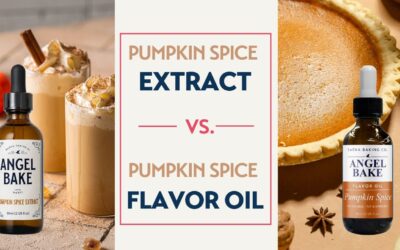
Pumpkin Spice Extract vs Flavor Oil: Which Should You Use?
The spice profile can stay the same while the carrier changes. Use this practical guide to match pumpkin spice Culinary Aromatics or Pure Infusions to your recipe.
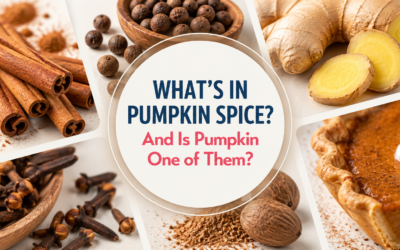
What Is in Pumpkin Spice, and Does It Contain Pumpkin?
Pumpkin spice is named for the pie it seasons, not for an ingredient in the blend. Here is what the five spices contribute and where pumpkin itself fits.

Does the Alcohol in Vanilla Extract Bake Out?
Alcohol does not fully bake out of vanilla extract. Here are the USDA retention figures, why alcohol is in the bottle, and what to use instead.

Flavored Honey Labeling: What Changes When You Add Flavor
Add flavor to honey and it is no longer labeled as honey. What the product name has to say, what goes in the ingredient statement, and the qualifier that can land on your front panel.
Flavoring, Aromatization, Finishing & Enhancement: A Guide to Flavor Application
Most people think of flavor as a single step: you add something to a recipe, and it tastes like that thing. In practice, flavor is applied to food and drink in several distinct ways, and understanding the differences is the key to getting the result you actually want,...

What Carrier Is In Your Flavor?
A Buyer's Guide to Flavor Carrier Selection When you evaluate a flavor for your product, most of the attention goes to the profile: does the vanilla taste like vanilla, is the lavender true to the botanical, does it hold up in the application. Those questions matter....
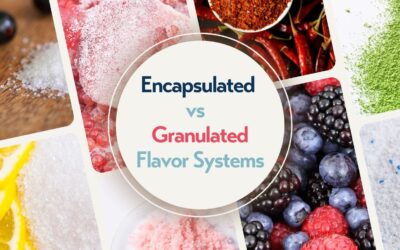
Encapsulated vs Granulated Flavor: Choosing a Dry Format
When a flavor needs to go into a dry product — a seasoning blend, a protein powder, a dry beverage mix — a liquid extract or flavor oil often isn't the right tool. Dry products call for dry flavor. But "dry flavor" isn't a single thing: it comes in two distinct...

Which Angel Bake Flavor Format Is Right For Your Application?
Angel Bake · Flavor Format Guide Saena makes four distinct flavor product lines. Each one is engineered for a different set of culinary conditions — different carriers, different solubility, different delivery mechanisms, different buyers. Choosing the right format...
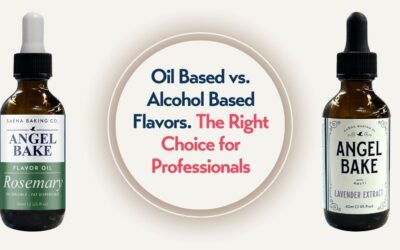
Oil-Based vs Alcohol-Based Flavor: Which Is Right for Your Application?
When you are sourcing flavor for a culinary project, the carrier matters as much as the botanical. Oil-based and alcohol-based extracts both deliver extraordinary flavor, but they behave differently in different applications, and choosing the wrong one can affect...
What Is WONF and Why It Matters on a Flavor Label
Three letters on a flavor label that most people skip right past — WONF. If you care about what goes into your food, you should know exactly what those three letters mean. WONF stands for "with other natural flavors" When a flavor label reads "natural lavender flavor...
Why Artificial Flavor Is Getting a Bad Reputation — and What to Do About It
Something has shifted in how people think about what is in their food. A label that once said "artificially flavored" was unremarkable. Today it is a reason not to buy. Consumer rejection of artificial flavors has accelerated faster than most food manufacturers...

Unlocking Culinary Creativity with Saena’s Culinary Aromatics
In the culinary world, presentation, flavor, and aroma are essential elements that define a truly memorable experience. At Saena, we’ve taken this to heart with our Culinary Aromatics line of pure flavoring extracts, equipped with a spritzer for effortless innovation....
Understanding the Roles of FDA, TTB, FEMA, and GRAS in the Flavor Industry
Who Regulates Flavor Products? Understanding the Roles of FDA, TTB, FEMA, and GRAS in the Flavor Industry The world of flavor manufacturing is governed by several U.S. regulatory bodies and scientific panels that work together to ensure that products—like the pure...

In the World of High-Volume Flavor Manufacturing, Ingredient Purity Is Mission-Critical
What We Don’t Have Is Just as Important as What We Do Have In flavor development, it’s possible to focus solely on taste and aroma. But when you’re manufacturing at scale—especially for private-label clients, co-manufacturers, or national distribution—what’s not in...
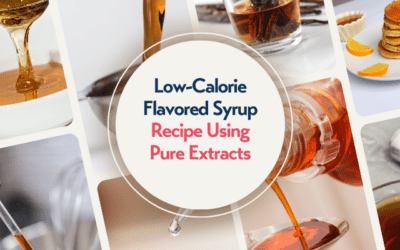
Low-Calorie Flavored Syrup Recipe Using Pure Extracts
Choosing low-calorie syrups over traditional sugary syrups offers a way to reduce calories in your recipes. Low-calorie syrups made with alternative sweeteners are perfect for keto, low-carb, or diabetic-friendly recipes. With the addition of pure extracts, you can...
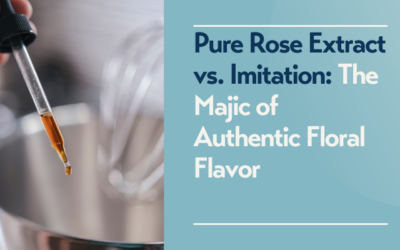
Pure Rose Extract vs. Imitation: The Magic of Authentic Floral Flavor
There’s something undeniably enchanting about the aroma of fresh roses. Yet, if you’ve ever tried a synthetic or “rose-flavored” product and felt underwhelmed, you’re not alone. Real rose essence is a harmonious ensemble of compounds—everything from terpenes to...
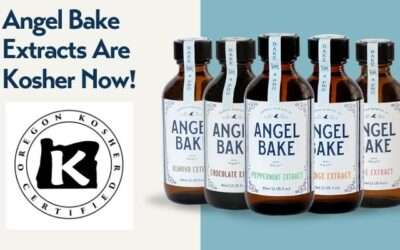
Saena receives Kosher Certification from Oregon Kosher
We are delighted to announce that Saena has successfully completed a rigorous audit by the Oregon Kosher Agency and received official Kosher certification for our manufacturing facility and select products. This certification highlights our continued commitment to...

Pure Extracts vs. Flavored Syrups: A Smarter Choice for Professionals
For chefs, bakers, baristas, and beverage developers, flavored syrups and concentrated flavors solve different formulation problems. Syrups combine flavor, sweetness, water, and viscosity in one ingredient. Unsweetened flavor concentrates let the formulator...

Rose Extract vs. Rose Water: A Superior Choice for Culinary Professionals
Rose extract and rose water may both originate from the fragrant Bulgarian Rose, but they differ significantly in flavor intensity, stability, and versatility. This comparison delves into their unique properties, revealing why rose extract is often the preferred choice for professional culinary applications.