Rose extract tastes like a fresh garden rose smells: honeyed, softly fruity and deeply floral. It is the flavor behind Persian love cake, rose lassi and the pink macarons in every Paris pastry case, and it pairs beautifully with pistachio, raspberry, cardamom and cream. Used with a light hand, it tastes elegant. Used heavily, it tastes like perfume. Here is how to get it right.
- Start below the usual rate. Rose is one of the strongest florals in the kitchen.
- Replacing rose water? About 1 drop of extract per teaspoon of rose water the recipe calls for.
- Finish with aroma. A mist from the Kit’s spray nozzle puts rose in the air before the first bite.
What makes Bulgarian rose different
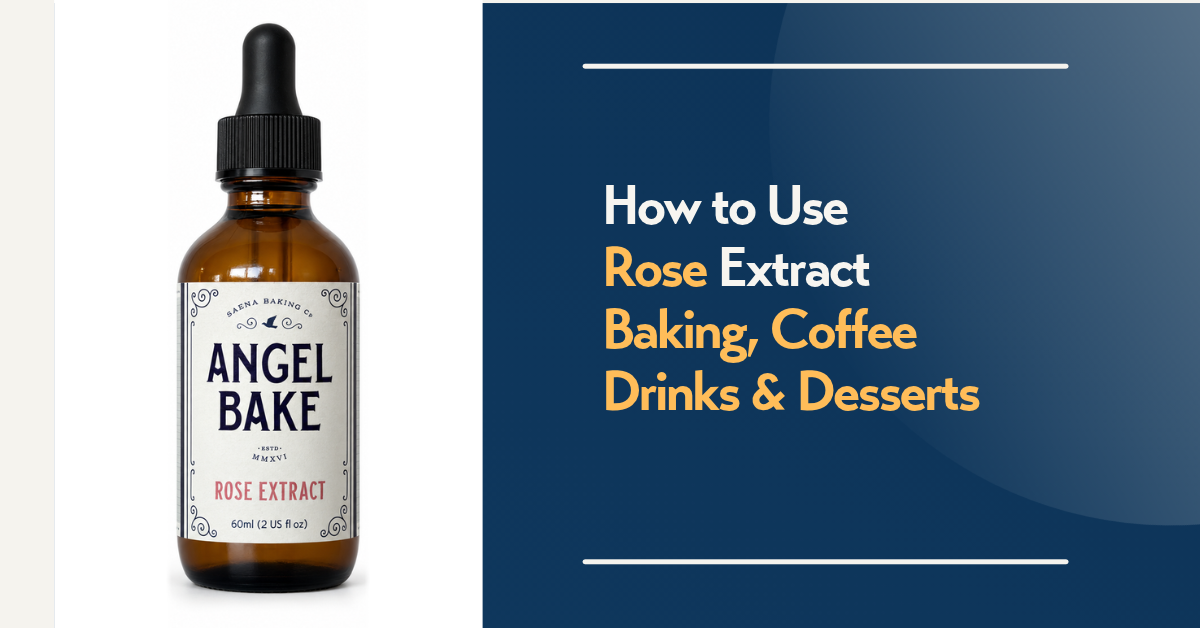
Angel Bake Bulgarian Rose Extract is made with rose from Bulgaria’s Rose Valley, a region famous for its fragrant roses. The flavor is rounder and more honeyed than the sharp, candy rose many people expect, with a gentle fruit note that makes it easy to pair.
It is an alcohol based Culinary Aromatics® extract with no added sugar, no added water and no propylene glycol. That means you get rose flavor without the extra liquid of rose water, which matters in macaron fillings, buttercream and anything else where texture is delicate.
Five classic rose pairings
| Dish or drink | Why rose works |
|---|---|
| Rose and pistachio cake | Nutty pistachio grounds the floral note |
| Persian love cake | Rose, cardamom and lemon in one fragrant crumb |
| Rose lassi | Tangy yogurt softens rose and lets it bloom |
| Raspberry rose macarons or tarts | Rose makes raspberry taste brighter and more fragrant |
| Rose latte | Milk and a little honey turn rose soft and dessert like |
Baking with rose
Add the extract to the wet ingredients so it spreads evenly through cake batter or shortbread dough. For macarons and layer cakes, many bakers put the rose in the filling or buttercream rather than the shell, where it stays brighter and is easier to adjust. A rose buttercream with crushed pistachio is hard to beat.
Rose in drinks
Rose extract mixes straight into milk, yogurt, lemonade, tea and cocktails. A rose latte with a touch of cardamom, a rose lassi, or sparkling water with raspberry and rose are all simple places to start. For café service, flavor a house syrup at the syrup rate below so every drink pours the same.
Rose in ice cream and frozen desserts
Rose and cream are a classic pair, from Persian bastani ice cream with pistachio and saffron to a simple rose and raspberry sorbet. Add the extract to the ice cream base before churning and taste it cold, since freezing quiets aroma. A scoop of rose ice cream beside a slice of pistachio cake or a bowl of fresh strawberries makes an easy dinner party dessert. For more frozen dessert ideas, see our guide to flavoring ice cream.
How much rose extract to use
These rates come from our extract dosing guide. With rose, start below the baseline. Florals turn soapy when overdone.
| Application | Starting rate |
|---|---|
| Drinks: latte, lassi, lemonade, cocktails | 3 to 5 drops per cup |
| Frosting, whipped cream, macaron fillings | 3 to 5 drops per cup |
| Ice cream and frozen desserts | 3 to 5 drops per cup |
| Cake batter, cookie dough | 5 to 7 drops per cup |
| Simple syrup | 1/4 teaspoon, about 50 drops, per cup of syrup, which puts 3 to 5 drops in a finished drink |
The rates above are a starting point. Taste and adjust; every base is different.
Use about 1 drop of rose extract for each teaspoon of rose water the recipe calls for, and replace the missing liquid with water or milk if the texture depends on it. Common substitution charts assume a much weaker flavoring and would overdose this bottle many times over. Our rose extract vs rose water guide explains the math.
Finish with a mist of rose
Rose is a flavor people smell before they taste, which makes it ideal for aromatic finishing. The Culinary Aromatics Kit includes a dropper and a spray nozzle. Flavor the recipe with the dropper, then mist the finished dish just before it goes out.
One light spray over latte foam, a bowl of whipped cream, a plated slice of pistachio cake or the inside of a cocktail coupe puts rose in the air at the moment your guest leans in. It is a small step that makes a dessert feel finished. See our guide to aromatic finishing for more ideas.
Rose in chocolate and candy
For white chocolate bark, truffles and candy coatings, use Pure Infusions™ rose flavor oil. It has an organic coconut derived MCT carrier, is alcohol free, and blends directly into fat. Keep the oil out of drinks; it belongs in chocolate, candy, ganache and buttercream.
Start your rose kitchen
Angel Bake extracts are No Sugar Added, Kosher Pareve, Non-GMO, Gluten-Free and vegan, and a 2 oz bottle flavors more than 300 cups. Explore Bulgarian Rose Extract, pair it with lavender extract for a floral menu, or browse the Culinary Aromatics collection. For café, bakery or production use, ask about wholesale and samples.