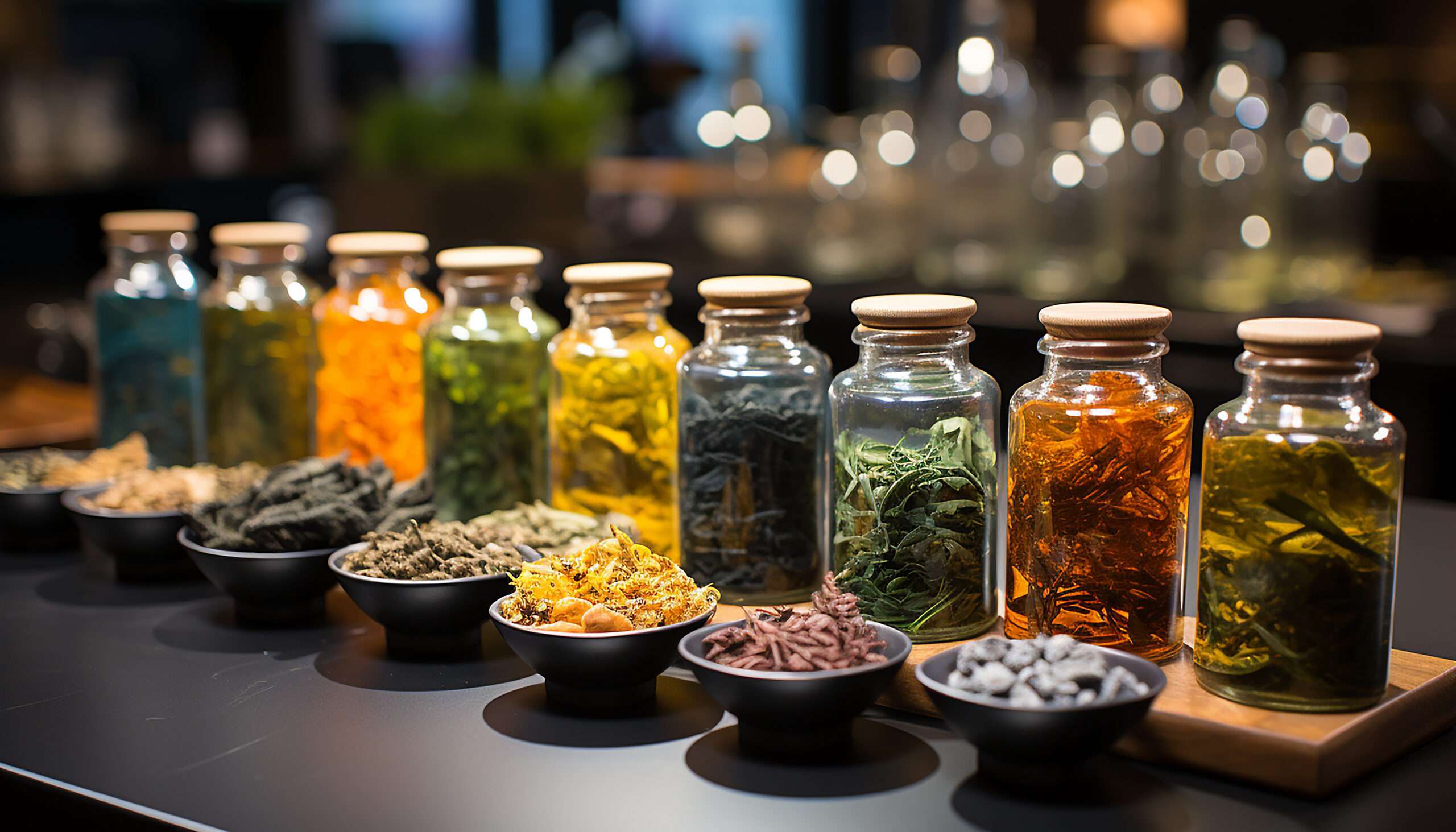
In professional kitchens, fresh botanicals, dried ingredients, and concentrated flavors each have a place. Fresh lemon zest, whole spices, and herbs can contribute texture, color, and visual identity. Concentrated flavors provide a different advantage: repeatable aroma and flavor with less preparation and a controlled addition to the recipe.
Angel Bake Culinary Aromatics are natural, unadulterated FTNF flavors, meaning From the Named Food. Pure Infusions provide an MCT based option for oil and fat phase applications. Saena also offers Culinary Crystals and Encapsulated Essences as made to order dry formats.
1. Concentrated Flavor and Aroma
Angel Bake Culinary Aromatics deliver a concentrated sensory impression with a small measured addition. This allows chefs to build flavor without grinding spices, zesting citrus, or steeping botanicals for every batch.
- Lemon: Add bright citrus flavor without the labor and texture of zest.
- Lavender: Add a controlled floral profile without pieces of dried botanical in the finished food.
- Cardamom: Add warm aromatic character without grinding and straining pods.
The goal is not always to replace the fresh ingredient. A chef may use both. Fresh material can provide appearance and texture, while a concentrated flavor establishes the desired sensory profile.
2. Consistency Across Batches
Fresh and dried botanicals can vary because of season, growing conditions, storage, handling, and time since harvest. A standardized Angel Bake flavor helps the kitchen establish a repeatable starting point. The chef can record the dosage and adjust for the particular recipe, flavor, and desired intensity.
3. Efficiency and Precision
Concentrated flavors reduce chopping, grinding, zesting, steeping, and straining when the recipe does not require the physical botanical. Use Angel Bake dosage recommendations as a starting point, then adjust through tasting and bench testing.
4. Storage and Cost
Fresh botanicals can perish quickly. Dried botanicals last longer, but their aroma may decline with age or poor storage. Concentrated flavors also require proper storage and stock rotation, but their compact format can simplify inventory and reduce preparation waste. Compare the complete cost per serving or batch, including labor, storage, dosage, and finished yield.
5. Choose the Carrier for the Application
Angel Bake Culinary Aromatics are alcohol based and contain no added water. They have been tested successfully in chocolate liquor, the cocoa mass used in chocolate making. The small amount of inherent moisture did not create processing problems in Angel Bake testing.
Pure Infusions are now the optimal starting point for chocolate, cocoa liquor, ice cream, candy, cake batter, breads, buttercreams, fillings, sauces, dressings, and other formulations with a meaningful oil or fat phase. They are also well suited to many high heat processes.
Culinary Aromatics remain useful in compatible chocolate work. A chocolatier may choose them when a slight alcohol bite is part of the intended sensory profile. The amount of alcohol that remains depends on dosage, temperature, processing time, and the point of addition.
6. Culinary Aromatics as a Finishing Mist
Culinary Aromatics can function much like a culinary perfume. A light spray or mist places fresh, concentrated aroma at the surface of a finished food, where it can be experienced immediately.
This technique can enhance pastries, chocolates, desserts, fruit, beverages, and plated savory dishes. Culinary perfume is a sensory analogy. Culinary Aromatics are food ingredients, not conventional fragrance products. Establish the appropriate dosage and application method before service.
7. Four Formats for Different Needs
- Culinary Aromatics: Alcohol based flavors for beverages, syrups, cocktails, finishing, aqueous systems, and culinary misting.
- Pure Infusions: MCT based flavor oils for oil and fat phase formulations and many high heat applications.
- Culinary Crystals: Made to order dry flavors for dry blending and immediate dispersion.
- Encapsulated Essences: Made to order dry flavors for applications that benefit from flavor protection during processing or storage.
Conclusion
Fresh and dried botanicals remain valuable ingredients. Angel Bake and Saena flavor formats give professional kitchens additional control over aroma, consistency, labor, dosage, and process compatibility. The best choice depends on the phase of the food, processing conditions, desired sensory effect, and ingredient declaration.
Compare all four lines in the Angel Bake flavor format guide, or contact Saena about a made to order dry format or technical application.