For chefs, bakers, baristas, and beverage developers, flavored syrups and concentrated flavors solve different formulation problems. Syrups combine flavor, sweetness, water, and viscosity in one ingredient. Unsweetened flavor concentrates let the formulator control those variables separately. The better choice depends on the finished product, service model, and desired ingredient statement.
1. Separate Flavor from Sweetness
Most conventional flavored syrups contribute both flavor and sweetener. Increasing the syrup normally increases both. With an unsweetened Angel Bake Culinary Aromatics extract, a professional can adjust flavor intensity separately from sugar, honey, or another sweetening system. This is useful for coffee, tea, cocktails, mocktails, sparkling beverages, glazes, and culinary syrups made to a house specification.
2. Lower Calories, Greater Formulation Freedom
The flavored syrup bottles reviewed for this comparison list approximately 80–100 calories per one-ounce serving, primarily from sugar. Angel Bake extracts are unsweetened concentrated flavors, allowing the developer to create full-sugar, reduced-sugar, or unsweetened recipes without receiving a fixed amount of syrup sugar with every flavor addition. Nutrition claims for the finished food or beverage should still be calculated from the complete recipe and serving size.
3. Control Texture, Dilution, and Storage
Ready-to-use syrup adds water, sweetness, and volume. That can be convenient in a service setting, but it may be undesirable when the recipe already has its own sweetener or when storage space and dilution matter. Concentrated flavors require a separate recipe step but allow tighter control of solids, viscosity, and finished yield.
4. Documented Cost and Serving Advantage
A 2-ounce bottle of Angel Bake extract provides approximately 200–300 recommended servings. Angel Bake’s tested starting point is generally 3–5 drops per cup, adjusted for the particular flavor, desired intensity, and formulation. Compared with the serving information on the flavored syrup labels reviewed for this article, one Angel Bake bottle can flavor approximately six times as many servings. That means less package volume, less storage space, and a substantially lower flavor cost per finished serving.
5. Choose the Right Angel Bake Format
For beverages, syrups, cocktails, mocktails, finishing, and other aqueous or alcohol-compatible systems, Culinary Aromatics alcohol-based extracts are generally the best starting point.
For formulations with a meaningful oil or fat phase—including chocolate, cocoa liquor, ice cream, candy, cake batter, buttercreams, fillings, sauces, and dressings—Pure Infusions MCT-based flavor oils are often more optimal, particularly when high heat is involved.
For dry beverage mixes, bakery premixes, or applications requiring dry dispersion or flavor protection, Culinary Crystals and Encapsulated Essences are available as made-to-order B2B formats.
The Professional Choice Is Application-Specific
Flavored syrup remains convenient when a standardized combination of sweetness and flavor is exactly what the operation needs. Angel Bake concentrates are valuable when the professional wants to manage flavor, sweetness, texture, and dosage as separate formulation decisions.
Use our flavor-format guide to compare all four lines, or contact Saena for a made-to-order dry format or technical application discussion.
For chefs, food engineers, and culinary experts, the difference between success and excellence often lies in the choice of ingredients. While rose extract and rose water both draw from the beauty and fragrance of the Bulgarian Rose, their performance, stability, and versatility differ dramatically. Here’s why Angel Bake Pure Bulgarian Rose Extract stands out as the superior choice for technical and culinary applications.
Rose Extract vs. Rose Water: What Sets Them Apart?
Rose Extract:
A concentrated essence that provides an intense floral aroma and flavor, rose extract is ideal for applications requiring precision, consistency, and stability.
Rose Water:
A more diluted product, rose water offers a subtle flavor that can weaken quickly when exposed to air, heat, or light. Its high water content also limits its suitability for certain technical or moisture-sensitive recipes.
Why Rose Extract is Superior
1. Bold Aroma and Flavor
Angel Bake Pure Bulgarian Rose Extract delivers a rich, concentrated aroma and flavor that transforms recipes with just a few drops. In contrast, rose water requires significantly larger quantities to achieve similar results, often risking dilution of the dish.
2. Unmatched Stability
Rose water’s flavor and potency diminish rapidly when exposed to air, heat, or light. Angel Bake Rose Extract is far more stable, ensuring consistent results over extended preparation or storage periods.
3. Moisture-Sensitive Applications
Rose water’s high water content can disrupt the texture and consistency of recipes, particularly in baked goods or confections. Angel Bake Rose Extract avoids this problem, making it perfect for:
Buttercreams: Infuse floral elegance without compromising texture.
Cake Fillings: Add vibrant flavor without altering consistency.
Dry Mixes: Enhance baking mixes with a stable, concentrated floral note.
4. Versatility Across Cuisines
Rose extract’s concentrated potency makes it ideal for a variety of culinary traditions, from Middle Eastern treats to Western desserts.
5. Ease of Use for Professionals
The high concentration of Angel Bake Rose Extract means you use less while achieving more. It simplifies measurements, reduces waste, and eliminates concerns about microbial growth that can arise with rose water.
Applications Across Cuisines
Beverages:
Rose-infused lattes and cappuccinos
Delicate rose tea blends
Cocktails such as rose martinis and floral spritzers
Western Desserts and Confections:
Rose-scented buttercream for cakes and cupcakes
Floral cake fillings for layered cakes or roulades
Ganache or truffle fillings with subtle rose notes
Rose-scented meringues or macarons
Frozen Desserts:
Rose-infused ice cream and gelato
Sorbets with a delicate floral touch
Industrial and Foodservice Applications:
Dry baking mixes with a touch of rose
Pre-mixed syrups for beverage manufacturers
Flavored honey
Chocolate truffles or pralines with floral undertones
Angel Bake Pure Bulgarian Rose Extract: A Cut Above
Crafted from the world-renowned roses of Bulgaria’s Rose Valley, Angel Bake Pure Bulgarian Rose Extract is designed to meet the highest standards for culinary and industrial applications. It offers:
Exceptional Quality: Rich, consistent flavor and aroma in every batch.
Dietary Versatility: Gluten-free, vegan, keto-friendly, and free of added sugar or imitation ingredients.
Bulk Options: Convenient sizes for foodservice professionals, including 1-gallon and 55-gallon drums.
Conclusion
For professionals who demand precision, reliability, and superior flavor, Angel Bake Pure Bulgarian Rose Extract outshines rose water in every aspect. From Middle Eastern confections to Western pastries and industrial-scale production, its stability, potency, and versatility make it the clear choice for chefs and food engineers alike.
Choose the Rose Flavor Format for the Application
Rose extract is not the only format available. The best choice depends on the formulation, processing conditions, and where the flavor needs to disperse:
Alcohol-based rose extract: A versatile choice for beverages, syrups, frostings, baked goods, and other applications where an alcohol-based liquid flavor disperses effectively.
Pure Infusions rose flavor oil: Carried in MCT oil, this oil-soluble format is better suited to high-heat processing and formulations with an oil or fat phase. Consider it for ice cream, cocoa liquor and chocolate systems, breads, candy, cake batter, buttercreams, cake fillings, sauces, and dressings. Explore Angel Bake Pure Bulgarian Rose Flavor Oil.
Granulated or encapsulated flavor: A dry format to consider for dry mixes, powders, and production systems where controlled handling, dry dispersion, or added flavor protection is important. Availability and format should be matched to the specific application.
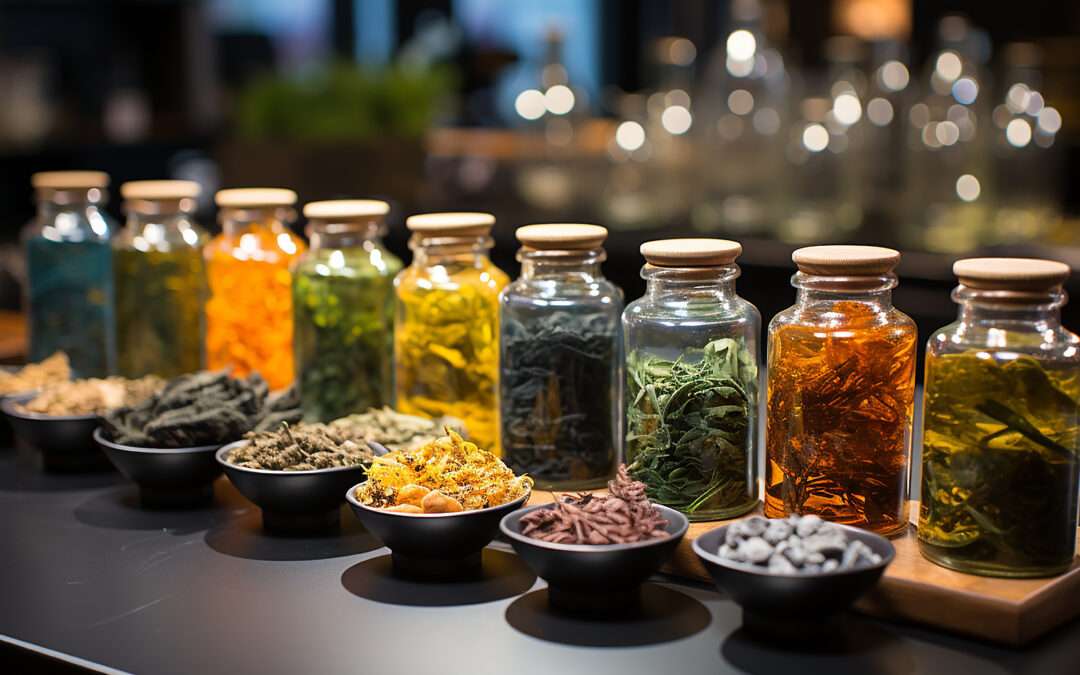
In professional kitchens, fresh botanicals, dried ingredients, and concentrated flavors each have a place. Fresh lemon zest, whole spices, and herbs can contribute texture, color, and visual identity. Concentrated flavors provide a different advantage: repeatable aroma and flavor with less preparation and a controlled addition to the recipe.
Angel Bake Culinary Aromatics are natural, unadulterated FTNF flavors, meaning From the Named Food. Pure Infusions provide an MCT based option for oil and fat phase applications. Saena also offers Culinary Crystals and Encapsulated Essences as made to order dry formats.
1. Concentrated Flavor and Aroma
Angel Bake Culinary Aromatics deliver a concentrated sensory impression with a small measured addition. This allows chefs to build flavor without grinding spices, zesting citrus, or steeping botanicals for every batch.
Lemon: Add bright citrus flavor without the labor and texture of zest.
Lavender: Add a controlled floral profile without pieces of dried botanical in the finished food.
Cardamom: Add warm aromatic character without grinding and straining pods.
The goal is not always to replace the fresh ingredient. A chef may use both. Fresh material can provide appearance and texture, while a concentrated flavor establishes the desired sensory profile.
2. Consistency Across Batches
Fresh and dried botanicals can vary because of season, growing conditions, storage, handling, and time since harvest. A standardized Angel Bake flavor helps the kitchen establish a repeatable starting point. The chef can record the dosage and adjust for the particular recipe, flavor, and desired intensity.
3. Efficiency and Precision
Concentrated flavors reduce chopping, grinding, zesting, steeping, and straining when the recipe does not require the physical botanical. Use Angel Bake dosage recommendations as a starting point, then adjust through tasting and bench testing.
4. Storage and Cost
Fresh botanicals can perish quickly. Dried botanicals last longer, but their aroma may decline with age or poor storage. Concentrated flavors also require proper storage and stock rotation, but their compact format can simplify inventory and reduce preparation waste. Compare the complete cost per serving or batch, including labor, storage, dosage, and finished yield.
5. Choose the Carrier for the Application
Angel Bake Culinary Aromatics are alcohol based and contain no added water. They have been tested successfully in chocolate liquor, the cocoa mass used in chocolate making. The small amount of inherent moisture did not create processing problems in Angel Bake testing.
Pure Infusions are now the optimal starting point for chocolate, cocoa liquor, ice cream, candy, cake batter, breads, buttercreams, fillings, sauces, dressings, and other formulations with a meaningful oil or fat phase. They are also well suited to many high heat processes.
Culinary Aromatics remain useful in compatible chocolate work. A chocolatier may choose them when a slight alcohol bite is part of the intended sensory profile. The amount of alcohol that remains depends on dosage, temperature, processing time, and the point of addition.
6. Culinary Aromatics as a Finishing Mist
Culinary Aromatics can function much like a culinary perfume. A light spray or mist places fresh, concentrated aroma at the surface of a finished food, where it can be experienced immediately.
This technique can enhance pastries, chocolates, desserts, fruit, beverages, and plated savory dishes. Culinary perfume is a sensory analogy. Culinary Aromatics are food ingredients, not conventional fragrance products. Establish the appropriate dosage and application method before service.
7. Four Formats for Different Needs
Culinary Aromatics: Alcohol based flavors for beverages, syrups, cocktails, finishing, aqueous systems, and culinary misting.
Pure Infusions: MCT based flavor oils for oil and fat phase formulations and many high heat applications.
Culinary Crystals: Made to order dry flavors for dry blending and immediate dispersion.
Encapsulated Essences: Made to order dry flavors for applications that benefit from flavor protection during processing or storage.
Conclusion
Fresh and dried botanicals remain valuable ingredients. Angel Bake and Saena flavor formats give professional kitchens additional control over aroma, consistency, labor, dosage, and process compatibility. The best choice depends on the phase of the food, processing conditions, desired sensory effect, and ingredient declaration.
In a professional kitchen, flavor systems must support speed, repeatability, and the conditions of the recipe. Angel Bake and Saena offer four formats so chefs and product developers can match the carrier and delivery system to the application rather than forcing one format into every process.
Why Use Concentrated Flavors in Professional Kitchens?
Professional kitchens require creativity, consistency, and control:
Consistency: Fresh ingredients can vary with season, source, and ripeness. A standardized flavor ingredient helps produce a repeatable sensory profile across batches.
Efficiency and Precision: Concentrated flavors reduce preparation time and allow small, measured adjustments during recipe development and service.
Shelf Stability and Readiness: Properly stored concentrates are ready when needed and can reduce the spoilage and preparation waste associated with fresh botanicals.
Format Choice: Alcohol-based, oil-based, granulated, and encapsulated formats let the chef select a delivery system that fits the phase, temperature, and process.
How to Choose and Use the Right Format
Layer Flavors Deliberately: A pastry can use vanilla in the custard, almond in the dough, and rose in a glaze. Add each flavor to the component where its carrier disperses best and where the desired aroma will be retained.
Use Culinary Aromatics in Beverages and Aqueous Systems: Angel Bake Culinary Aromatics alcohol-based extracts are an excellent starting point for cocktails, mocktails, coffee, tea, syrups, glazes, finishing, and other alcohol- or water-compatible systems. For cold beverages, Angel Bake recommends starting with 3–5 drops per cup, then adjusting for the flavor, desired intensity, preference, and formulation.
Use Pure Infusions in Fat-Phase and High-Heat Systems: MCT-based Pure Infusions flavor oils are often more optimal for chocolate and cocoa liquor, ice cream, candy, cake batter, breads, buttercreams, fillings, sauces, dressings, and other formulations with a meaningful oil or fat phase. They are also the preferred starting point for many high-heat processes.
Account for Heat: Flavor intensity can change during baking and cooking. For an extract used in batter or another compatible heated liquid, Angel Bake recommends starting with 5–6 drops per cup. Bench test the complete process and, where appropriate, reserve part of the flavor for a post-bake glaze, filling, syrup, or finish.
Add at the Most Effective Stage: In sauces, syrups, creams, and beverages, later addition can help retain volatile aroma. In other formulations, early addition may be needed for dispersion or process integration. Test the actual recipe rather than relying on one timing rule for every flavor.
Finish with Aroma: A light, controlled application of a compatible Culinary Aromatics extract can add aroma to a plated dish. Validate the delivery method, dosage, and sensory effect before service.
Consider a Dry Format: Culinary Crystals and Encapsulated Essences are made-to-order B2B formats for dry mixes, immediate dry dispersion, and applications that benefit from flavor protection through processing or storage.
Practical Applications in the Professional Kitchen
Pastry and Bakery: Use Culinary Aromatics in compatible custards, syrups, and finishing components; consider Pure Infusions for fat-rich fillings, cake batter, buttercreams, chocolate, and high-heat applications.
Catering and High-Volume Production: Standardized dosage and batch records help reproduce the target flavor across hundreds of servings.
Beverage Programs: Culinary Aromatics provide concentrated, unsweetened flavor for cocktails, mocktails, coffee, tea, and house-made syrups.
Product Development: Pure Infusions support oil- and fat-phase systems, while made-to-order Culinary Crystals and Encapsulated Essences support dry and process-protected applications.
Conclusion: Match the Format to the Application
Professional flavor work is most reliable when the flavor source, carrier, dosage, phase, and processing conditions are considered together. Use Angel Bake’s tested dosage as a starting point, then adjust through bench testing for the individual flavor and finished formulation.
At Saena Baking Co., precision matters in both flavor use and ingredient declaration. The following dosage ranges are Angel Bake starting recommendations. Adjust them for the individual flavor, recipe, process, and desired sensory result.
How Much Culinary Aromatics Extract to Use?
Liquids and Recipes Without Baking: Begin with 3 to 5 drops per cup. This range works well for beverages, honey, fillings, syrups, creams, and other applications that are not exposed to baking temperatures.
Baked Goods: Begin with 5 to 6 drops per cup. The additional flavor helps compensate for aroma that may be reduced during baking.
Taste and bench test before scaling. Some flavors may require less. A stronger sensory target or a demanding process may require more.
Choose the Appropriate Format
Culinary Aromatics: Alcohol based, natural, unadulterated FTNF flavors for beverages, syrups, cocktails, finishing, aqueous systems, and compatible culinary applications.
Pure Infusions: MCT based flavor oils that are often the optimal starting point for chocolate, cocoa liquor, ice cream, candy, cake batter, breads, buttercreams, fillings, sauces, dressings, and other oil or fat phase formulations. They also suit many high heat processes.
Culinary Crystals: Made to order dry flavors for dry blending and immediate dispersion.
Encapsulated Essences: Made to order dry flavors for applications that benefit from flavor protection during processing or storage.
Tips for Flavor and Aroma
In syrups, jams, sauces, and creams, later addition can help retain fresh aroma when the process allows it. In other products, earlier addition may be needed for dispersion or processing. Test the flavor in the actual formula and complete production cycle.
Culinary Aromatics can also be applied as a finishing mist. A light spray places concentrated aroma at the surface of a finished food, creating an effect similar to a culinary perfume. Establish the correct dosage and application method before service.
Declaring Flavor Ingredients
Ingredient declaration belongs in the product’s ingredient statement, not the Nutrition Facts panel. Saena provides product specifications to support the customer’s labeling review.
Depending on the product, formulation, jurisdiction, and applicable regulations, the declaration may use a term such as:
Natural flavor or natural flavoring
A named extract, when the specification and applicable standard support that declaration
Do not select a declaration from this article alone. Use the specification for the exact ingredient purchased and confirm the finished label with the responsible regulatory professional. Requirements can change according to product category, market, and jurisdiction.
Quality, Documentation, and Support
Angel Bake Culinary Aromatics are natural, unadulterated FTNF flavors. Saena can provide the appropriate product specification and discuss format selection, recommended use, and application testing without disclosing proprietary formulation details.
Flavored honey is one of the fastest moving parts of the honey category. It is also one of the harder things to get right, because honey is low moisture, high sugar, and sold almost entirely on the idea of purity. Anything you add has to respect all three at once.
What this covers
Four constraints that arrive before flavor performance is even on the table
Three routes manufacturers take today, and the real cost of each
Nine questions worth asking any flavor supplier, including us
What changes on your label the moment flavor goes in
Where Culinary Aromatics fits, including what the carrier does for your hazard analysis
This is written for the people who actually have to make it work, which usually means product development, quality, and whoever ends up owning the label.
Why honey is a difficult matrix to flavor
Most flavor decisions in food manufacturing come down to sensory performance and cost. In honey, four other constraints arrive first.
Moisture is a control point, not a detail
Honey carries moisture in the high teens by percentage, and its low water activity is much of why it stays microbiologically stable at ambient temperature. A flavor system that carries water raises moisture in a product engineered around not having much.
Whether that matters at your inclusion level is worth answering with numbers rather than assumption. It is still the first question to ask.
Crystallization is already a moving target
Crystallization is driven largely by the glucose to fructose ratio of the base honey, which varies by floral source and by season. No flavor supplier can promise your honey will not crystallize.
Be skeptical of anyone who promises otherwise.
The answerable question is whether a flavor system accelerates crystallization, and the only honest way to find out is a shelf study on your base honey rather than a generic one.
The product is sold on being one ingredient
The commercial premise of honey is that it is honey. Every component you add appears on the panel, and in a category where shoppers read panels closely, the length of that statement is part of the product.
That is why the flavor decision is a marketing decision as much as a technical one.
Honey is among the most authenticity tested foods in the world
Packers of any scale run authenticity screening as a matter of routine, including carbon isotope ratio methods for detecting added C4 sugars and multi parameter NMR profiling that evaluates dozens of markers at once.
Any material entering the tank should come from a supplier who can discuss those methods without being surprised by the question.
Very little heat is applied
Most honey packing operations apply minimal heat, so nothing meaningful volatilizes off during processing. What goes in stays in, and flavor systems designed around a bake step or a pasteurization step do not behave the same way here.
In honey, four constraints arrive before flavor performance is even on the table.
The three ways manufacturers flavor honey today
Each is used by real producers, and each carries a real cost.
Botanical infusion
Steeping lavender buds, cinnamon bark, or dried citrus peel directly in the honey. Unbeatable romance, and no flavor supplier on the ingredient statement.
The cost: batch variability from the raw botanical, a filtration step, labor, seasonal supply, and raw plant material entering a product sold on purity.
Natural flavors on a carrier
The standard industry route, from a flavor house on a propylene glycol, ethanol, or water based carrier. Reliable, cost effective at volume, and well documented.
The cost: what the carrier does to a low moisture product, how well it disperses in an aqueous sugar matrix, and whether the flavor is built only from the food being named, which decides what your front panel has to say.
Low moisture extracts
Liquid extracts formulated without added water, typically on an ethanol carrier. They do not fight the moisture constraint and disperse without a premix step in most operations.
The cost: unit price against a commodity flavor, and ethanol carryover into the finished product, which matters if you make an alcohol free claim or hold kosher for Passover or halal certification.
Nine questions worth asking any flavor supplier, including us
These tend to separate suppliers quickly. We would rather you ask them of everyone, us included, than not ask them at all.
What is the carrier, and does it contain added water? Ask for the number, not the adjective. Ask specifically whether it is propylene glycol, the most common carrier in the industry. Note that ethanol at food grade concentrations carries residual water, so no added water and water free are different claims.
Is the flavor built only from the food being named? This is the FTNF and WONF question, and it decides whether your product name has to carry a with other natural flavors qualifier.
Are any of the flavoring components synthetic? Natural flavor is a defined term, and a flavor can meet it while still being built very differently from one supplier to the next. Get the answer in writing rather than inferring it from the declaration.
How does it declare in the ingredient statement? Get the exact declaration language before your artwork goes to print.
What documentation comes with it? Specification, certificate of analysis per lot, allergen statement, safety data sheet, third party food safety certification with the scope page, continuing guarantee letter, and batch traceability.
Have you looked at how it behaves in honey authenticity screening? A supplier who has never considered the question is telling you something.
How should this ingredient sit in our hazard analysis? A supplier who can tell you whether their material supports microbial growth, and back it with the microbiological section of the certificate of analysis, is saving your food safety team work at receiving.
Where in the line does it dose, and does it need a premix? The answer often differs between liquid, creamed, and whipped honey.
What happens when this scales? Lead time, minimum order quantity, monthly capacity per flavor, and the second source position on a single origin botanical.
What changes on your label the moment you add flavor
This surprises people moving into flavored honey for the first time. Under FDA guidance on the proper labeling of honey and honey products, once a flavor is added and the labeling represents that flavor, the product can no longer simply be called honey.
The name has to describe the characterizing flavor, in the form of lavender flavored honey. The ingredient statement then lists components in descending order of predominance by weight, which for most flavored honey means honey followed by natural flavor.
The second rule, which catches more people
It comes from the flavor labeling regulations rather than the honey guidance. If the flavor system draws on natural flavor from outside the food being named, in order to build or reinforce the characterizing note, the product name has to be accompanied by the phrase with other natural flavors.
That phrase has to be set at no less than half the height of the flavor name.
It lands in the middle of your front panel, not quietly on the back. This is why the choice is a brand issue and not a compliance footnote.
In the trade, a flavor built only from the food being named is called FTNF, from the named food. One that reaches outside for support is a WONF, with other natural flavors.
Most commercial botanical flavors are WONF, because building a stable, consistent, affordable lavender from lavender alone is difficult. Which one you buy determines what your printer sets.
We have written a longer piece on this. See our guide to labeling flavored honey for the naming rules, the ingredient statement, and a worked example of how one WONF flavor in a multi flavor set can pull the qualifier onto products that did not need it.
Where Culinary Aromatics fits
Rather than describe it as natural, which is a word without a fixed meaning, here is what is and is not in it.
What is not in it
No synthetic or artificial flavor ingredients. Every flavoring component is natural.
No propylene glycol, the carrier used most widely across the flavor industry.
No added water going into a product where moisture is the constraint.
What is in it
An organic cane sugar ethanol carrier.
Flavor built from the named botanical, so it does not force a with other natural flavors qualifier onto your product name.
A natural flavor declaration. FEMA GRAS compliant.
NSF third party certification for GMP and HACCP, with batch and ingredient traceability and a certificate of analysis on every lot.
Kosher PAREVE through Oregon Kosher, plus Non-GMO, Gluten-Free, and vegan.
Single origin sourcing, including lavender and rose from Bulgaria’s Rose Valley, peppermint from Oregon’s Willamette Valley, orange blossom from Morocco, and cardamom from Central America.
Our lavender is currently in use in a private label flavored honey with national retail distribution.
What the carrier does for your hazard analysis
Ethanol does something in a honey program that has nothing to do with flavor. At the concentration Culinary Aromatics is formulated to, the product does not support microbial growth. The microbiological section of our certificate of analysis reads:
Parameter
Specification
Aerobic plate count
Not applicable
Coliform
Not applicable
E. coli
Not applicable
Yeast and mold
Not applicable
Salmonella and Listeria
Not applicable
Not applicable is not a gap in the paperwork. It is the consequence of a matrix those organisms cannot grow in, and it is why the ingredient does not bring a biological hazard to your receiving step. For a team writing or revising a HACCP plan around a new flavored SKU, that is one fewer preventive control to justify.
What it does not do.
Ethanol at these levels prevents growth. It does not sterilize, and it will not reduce a microbial load already present in your base honey. The benefit is that we are not adding one, not that we are removing one.
Profiles that come up most often in honey
Lavender, Orange Blossom, Orange, Valencia Orange, Lemon, Ginger, Cinnamon, Cardamom, Rose, Chamomile, Rosemary, Peppermint, and Spearmint. We also develop custom profiles for manufacturers whose program needs something we do not already make, at volumes a large flavor house will usually decline.
One note on Orange Blossom.
Orange blossom honey is a varietal with limited and variable supply, which makes it difficult to build a year round program around. The flavor profile does not have that constraint.
A word on claims
You will notice we have not called any of this natural, pure, or clean label. Those words do no work for a reader who has to qualify a supplier.
There is no claim on this page we will not send you the certificate, specification, or statement behind. If you find one, tell us and we will fix it. That is a reasonable standard to hold any supplier to whose material is going into a food sold on purity.
Developing a flavored honey program?
Tell us which profiles are on your roadmap and we will build a bench kit around them, with specifications, the microbiological section of the certificate of analysis, and our full documentation packet. If you would rather talk through volumes and lead times first, that works too.