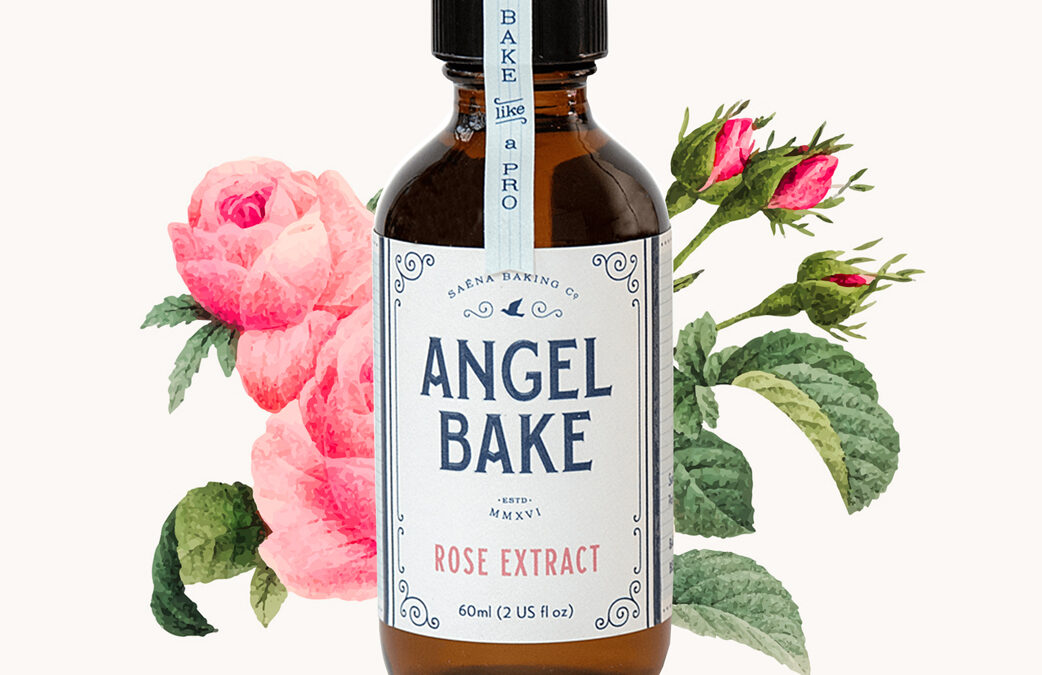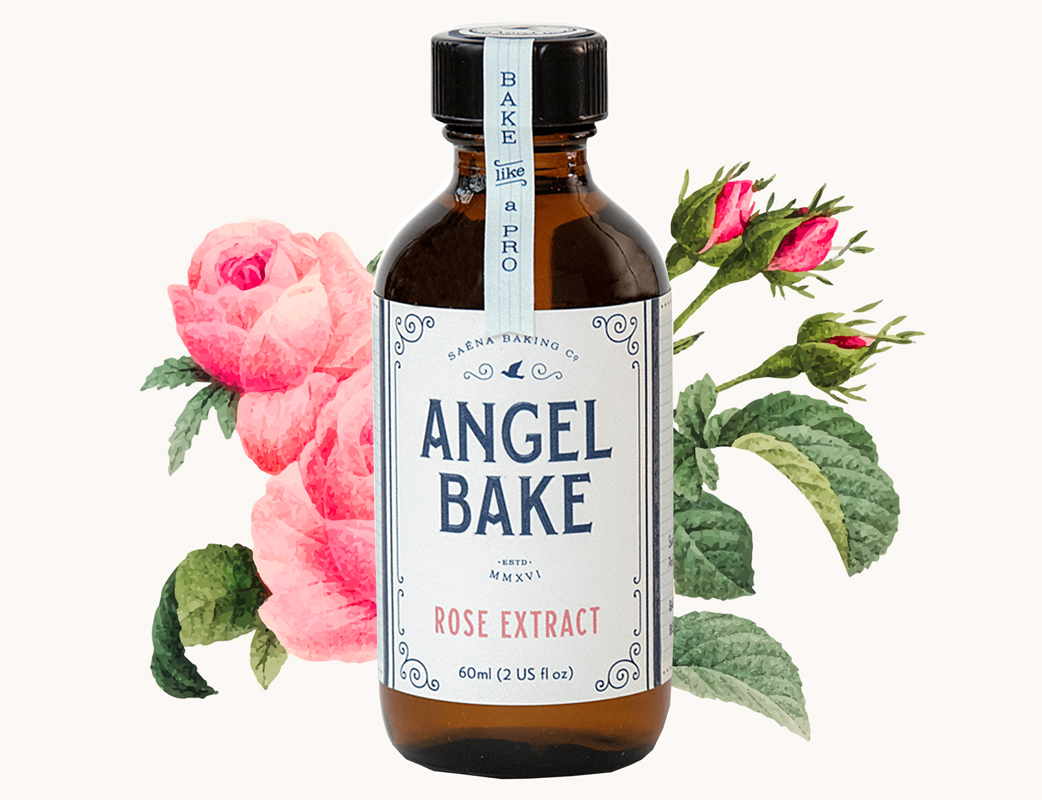
Choosing low-calorie syrups over traditional sugary syrups offers a way to reduce calories in your recipes. Low-calorie syrups made with alternative sweeteners are perfect for keto, low-carb, or diabetic-friendly recipes. With the addition of pure extracts, you can create syrups bursting with flavor, making them a healthier and more versatile alternative for beverages, desserts, and more.
Ingredients (Makes approximately 2 cups of syrup)
- 1 cup water
- 3/4 cup granulated erythritol (or a mix of erythritol and monk fruit sweetener for a well-rounded sweetness)
- 1 teaspoon pure extract (e.g., lavender, chocolate, rose, vanilla, etc.)
- 1/4 teaspoon xanthan gum (optional, for improved consistency and shelf stability)
- 1/2 teaspoon citric acid (optional, for added shelf life and acidity balance)
- 1/8 teaspoon potassium sorbate (optional, for preservation and shelf stability)
Instructions
- Prepare the Sweetener Base:
- In a small saucepan, combine water and granulated erythritol.
- Heat over medium heat, stirring frequently, until the sweetener is completely dissolved (do not boil).
- Incorporate Additives (Optional):
- Slowly sprinkle xanthan gum into the syrup while whisking continuously to prevent clumping. This will slightly thicken the syrup and improve its stability.
- Stir in citric acid to enhance flavor, balance acidity, and help preserve the syrup.
- Add Flavor:
- Remove the saucepan from heat and let the mixture cool to about 120°F (49°C).
- Stir in the pure extract of your choice. Start with 1 teaspoon, then adjust to taste. Pure extracts are concentrated, so a little goes a long way.
- Preserve and Bottle:
- If making the syrup for extended storage, mix in potassium sorbate to act as a preservative.
- Pour the syrup into a sterilized glass bottle or jar and seal tightly.
Storage and Shelf-Life Tips
- Store the syrup in the refrigerator for up to 2 weeks if no preservatives are added.
- With potassium sorbate, the syrup can last up to 3 months when refrigerated.
- For longer shelf life (up to 6 months), pasteurize the syrup by heating it to 180°F (82°C) before bottling it in sterilized containers.
- Always use clean utensils when handling the syrup to avoid contamination.
Suggested Flavors and Pairings
- Lavender Syrup: Adds a calming floral note to iced teas, lattes, lemonades, or cocktails.
- Chocolate Syrup: Perfect for mochas, hot cocoa, or drizzling over low-calorie desserts like yogurt or keto pancakes.
- Rose Syrup: Elevates rose-flavored sodas, mocktails, lattes, or Middle Eastern-inspired desserts.
- Vanilla Syrup: A classic for flavoring coffee, tea, or as a sweetener for smoothies.
- Orange Syrup: Brightens cocktails, sparkling water, or even savory marinades for a gourmet twist.
Additional Tips for Versatile Use
While syrups are great for adding sweetness and flavor to drinks and desserts, pure extracts offer an even more flexible solution. In many cases, there’s no need to create a syrup at all. Simply add your preferred low-calorie sweetener (like erythritol or stevia) directly to your recipe and use a few drops of pure extract for flavor. This allows you to adjust sweetness and flavor intensity separately, giving you greater control over your culinary creations.
By combining low-calorie sweeteners with the intense flavors of pure extracts, you can enjoy delicious, health-conscious recipes without added sugar. Whether you choose to create syrups or use extracts directly, your recipes will be packed with vibrant, natural flavors.
At Seana Baking Co., we know that precision and clarity are key when it comes to using and declaring ingredients in your recipes. Whether you’re a home baker or a professional manufacturer, understanding the proper use and declaration of our Angel Bake extracts will ensure your creations taste their best and meet labeling requirements.
Getting the right amount of flavor is crucial, and with our pure extracts, a little goes a long way. Here’s a quick guide to help you determine the right amount of extract to use for various applications:
- For Liquids and Non-Baked Recipes: We recommend using 3-5 drops per cup. This applies to beverages, honey, fillings, syrups, creams, and any other recipes where the extract is not subjected to heat. This amount ensures a balanced, intense flavor without overpowering your creation.
- For Baked Goods: When incorporating extracts into batters that will be baked, we suggest using 5-6 drops per cup. The higher amount compensates for the flavor that may dissipate during the baking process, ensuring that the final product retains the desired taste.
Tips for Optimal Flavor
To maximize the flavor and aroma of our extracts, we recommend adding them towards the end of the preparation process, especially in manufacturing settings. Here are a few examples:
- For Flavored Syrups, Jams, and Sauces: Prepare the syrup, jam, or sauce as usual, then allow it to cool before adding your chosen extract. This method preserves the integrity and potency of the flavor, providing a more vibrant taste in the finished product.
When it comes to declaring the use of our extracts in your product’s nutrition information, we provide product specifications that can be used to ensure compliance with labeling regulations. Here are some acceptable terms for declaration:
- “Natural Flavoring”: This is a general term that can be used if your product includes our extracts, aligning with regulatory standards for natural ingredients.
- “XXX Extract”: Where “XXX” represents the specific flavor (e.g., “Vanilla Extract,” “Peppermint Extract”). This term clearly identifies the flavoring agent used, making it easy for consumers to understand.
Ensuring Quality and Compliance
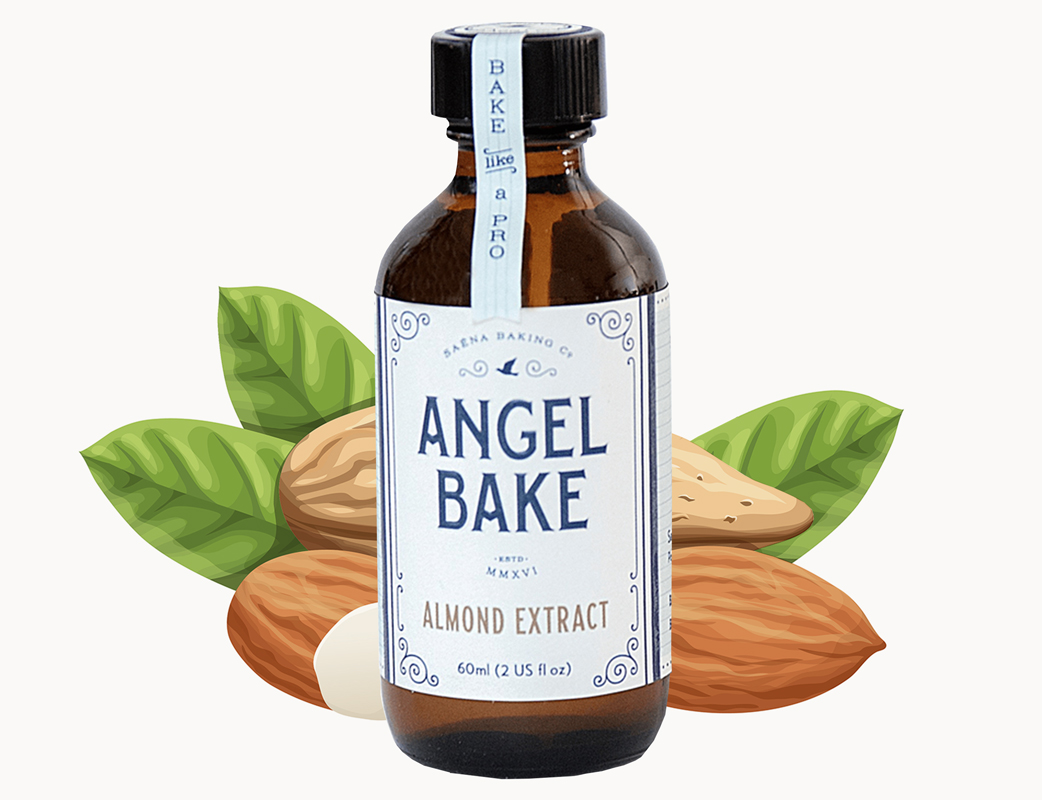
Using Angel Bake extracts not only enhances the flavor of your products but also ensures that you’re working with ingredients that are pure, natural, and of the highest quality. By following these guidelines for usage and declaration, you can maintain the integrity of your recipes while providing clear, accurate information to your customers.
If you have any specific questions or need further assistance, please don’t hesitate to reach out. We’re here to support you in creating the best possible products with Angel Bake extracts.

At Saëna Baking Co., we understand that the secret to culinary excellence lies in the details – specifically, in the flavors you infuse into your creations. Our Angel Bake pure extracts offer a natural, unadulterated way to infuse authentic flavors and aromas into your recipes. This blog will guide you through the best practices for using these extracts, ensuring that every drop adds a burst of natural goodness to your culinary creations.
1. The Golden Rule of Quantity When it comes to pure extracts, a little goes a long way. We recommend using about 3-5 drops of extract per cup of the food item. This measured approach allows the extract to subtly enhance your dish without overpowering it.
2. Crafting Flavorful Beverages For homemade sodas and similar beverages, 2-3 drops of extract per serving should suffice to add that perfect hint of flavor. It’s an easy way to create custom drinks that will delight your guests.
3. Syrup Infusions Enhance your syrups by adding 1/4 to 1/2 teaspoon of Angel Bake pure extract per cup. Remember to add the extract to your syrup after it has cooled to room temperature for the best flavor retention.
4. The Final Touch with Spritzers A spritzer is an excellent tool for adding a mist of flavor and aroma to your dishes just before serving. It evenly distributes the extract, providing a delicate and sophisticated touch to your final presentation.
5. Timing is Everything in Baking During the baking process, flavors and aromas can diminish. To counteract this, add your Angel Bake extract towards the end of the preparation process. This ensures that the flavor remains vibrant and potent in your finished product.
6. Pairing with the Right Ingredients Experiment with pairing extracts with complementary flavors. For instance, vanilla extract pairs beautifully with chocolate and fruit-based dishes, while almond extract can elevate nutty or fruity desserts.
7. Storage for Longevity Store your extracts in a cool, dark place to maintain their quality and shelf life. Proper storage ensures that the extracts retain their potency and flavor profile for your next culinary adventure.
With Angel Bake pure extracts, the possibilities are limitless. They offer a quick, precise way to add depth and character to any recipe, from baked goods to beverages. At Saëna Baking Co., we’re proud to stand behind our products with a true flavor guarantee, ensuring that each bottle of Angel Bake extract brings nothing but the best of nature’s flavors to your kitchen. Embrace the ease and authenticity of flavoring with Angel Bake – where every drop counts in the journey to culinary perfection.