Angel Bake French Macaron Baking Mix Detailed Instructions
Product Description
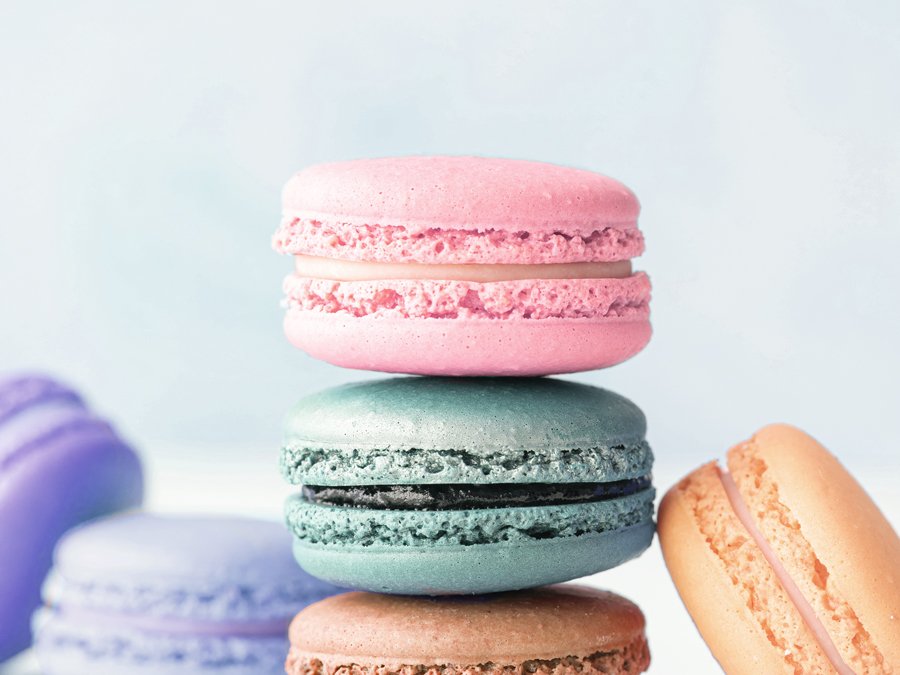
Angel Bake™ French Macaron Baking Mix Single Step All-in French Macaron Baking Mix.
Product Specifications
- Ingredients: Sugar, Almond Flour, Egg Whites, Rice Starch, Polyglycerol Ester of Fatty Acids (E 475), Mono and Diglycerides of Fatty Acids(E471), Xanthan Gum
- Shelf Life: 24 months from production date
- Storage Instructions: Store in a cool, dry place, away from direct sunlight.
- Allergen Information: Contains almonds (nut allergen). Contains eggs. Gluten Free.
- Net Weight: 25 lbs.
- Country of Origin: USA
Mixing Instructions
- Prepare Batter:
- Combine macaron mix, water (0.20 Water ratio to mix), food coloring (optional), and flavoring extract (optional) in a mixer bowl.
-
-
- To hydrate 4KG of mix, use 4000 x 0.2 = 800 grams of water.
- Recommended water temperature: 122°F–130°F.
- Add food coloring at any stage of mixing to achieve varied visual effects.
- Flavoring the shells is optional—for best results, use low-moisture options like Pure Angel Bake™ Extracts.
-
- Mix using a paddle attachment: LOW speed for 1 minute, then MEDIUM speed for 4 minutes.
- This baking mix has a high tolerance to varied whipping duration and speeds.
- Yield: 1000 grams of mix produces approximately 100 macaron shells.
Piping Instructions
-
- Pipe batter into 1-inch circles (8–10 grams per portion) on a silicone tray liner.
- Shell size can vary up to 3-4 inches in diameter.
- Tap trays to flatten batter.
- This step is optional. Batter flattens by itself. There are no air bubbles to pop.
- Lightly oil silicone tray liners to prevent sticking (apply 5–6 drops of vegetable oil across the mat, then wipe dry with a paper towel).
- Only do this if lopsided shells are observed.
Baking Instructions
-
- Preheat convection oven to 280°F.
- Oven temp and cooking times depend on the type of oven, convection fan settings and shell size. The batter bakes the same as traditional recipes. Shells can be baked at 240 °F – 300 °F.
- There is no need to rest the shells when using convection type ovens. The circulating hot air will dry the surface before the shells rise.
- Shells can rest for up to 30 mins prior to baking.
- Bake macaron shells for 16-17 minutes.
- Allow the shells to cool completely before removing them from tray.
Technical Data
-
- Water Absorption: 0.20-0.21 water to mix ratio. To hydrate 1000 grams of mix use (1000 x 0.2 = 200 grams) of water.
- Recommended Water Temp: 122°F–130°F
- Yield: Approximately 100 macaron shells per 1000 grams of mix
- Recommended Baking Temp: 280°F (convection)
Choosing low-calorie syrups over traditional sugary syrups offers a way to reduce calories in your recipes. Low-calorie syrups made with alternative sweeteners are perfect for keto, low-carb, or diabetic-friendly recipes. With the addition of pure extracts, you can create syrups bursting with flavor, making them a healthier and more versatile alternative for beverages, desserts, and more.
Ingredients (Makes approximately 2 cups of syrup)
- 1 cup water
- 3/4 cup granulated erythritol (or a mix of erythritol and monk fruit sweetener for a well-rounded sweetness)
- 1 teaspoon pure extract (e.g., lavender, chocolate, rose, vanilla, etc.)
- 1/4 teaspoon xanthan gum (optional, for improved consistency and shelf stability)
- 1/2 teaspoon citric acid (optional, for added shelf life and acidity balance)
- 1/8 teaspoon potassium sorbate (optional, for preservation and shelf stability)
Instructions
- Prepare the Sweetener Base:
- In a small saucepan, combine water and granulated erythritol.
- Heat over medium heat, stirring frequently, until the sweetener is completely dissolved (do not boil).
- Incorporate Additives (Optional):
- Slowly sprinkle xanthan gum into the syrup while whisking continuously to prevent clumping. This will slightly thicken the syrup and improve its stability.
- Stir in citric acid to enhance flavor, balance acidity, and help preserve the syrup.
- Add Flavor:
- Remove the saucepan from heat and let the mixture cool to about 120°F (49°C).
- Stir in the pure extract of your choice. Start with 1 teaspoon, then adjust to taste. Pure extracts are concentrated, so a little goes a long way.
- Preserve and Bottle:
- If making the syrup for extended storage, mix in potassium sorbate to act as a preservative.
- Pour the syrup into a sterilized glass bottle or jar and seal tightly.
Storage and Shelf-Life Tips
- Store the syrup in the refrigerator for up to 2 weeks if no preservatives are added.
- With potassium sorbate, the syrup can last up to 3 months when refrigerated.
- For longer shelf life (up to 6 months), pasteurize the syrup by heating it to 180°F (82°C) before bottling it in sterilized containers.
- Always use clean utensils when handling the syrup to avoid contamination.
Suggested Flavors and Pairings
- Lavender Syrup: Adds a calming floral note to iced teas, lattes, lemonades, or cocktails.
- Chocolate Syrup: Perfect for mochas, hot cocoa, or drizzling over low-calorie desserts like yogurt or keto pancakes.
- Rose Syrup: Elevates rose-flavored sodas, mocktails, lattes, or Middle Eastern-inspired desserts.
- Vanilla Syrup: A classic for flavoring coffee, tea, or as a sweetener for smoothies.
- Orange Syrup: Brightens cocktails, sparkling water, or even savory marinades for a gourmet twist.
Additional Tips for Versatile Use
While syrups are great for adding sweetness and flavor to drinks and desserts, pure extracts offer an even more flexible solution. In many cases, there’s no need to create a syrup at all. Simply add your preferred low-calorie sweetener (like erythritol or stevia) directly to your recipe and use a few drops of pure extract for flavor. This allows you to adjust sweetness and flavor intensity separately, giving you greater control over your culinary creations.
By combining low-calorie sweeteners with the intense flavors of pure extracts, you can enjoy delicious, health-conscious recipes without added sugar. Whether you choose to create syrups or use extracts directly, your recipes will be packed with vibrant, natural flavors.
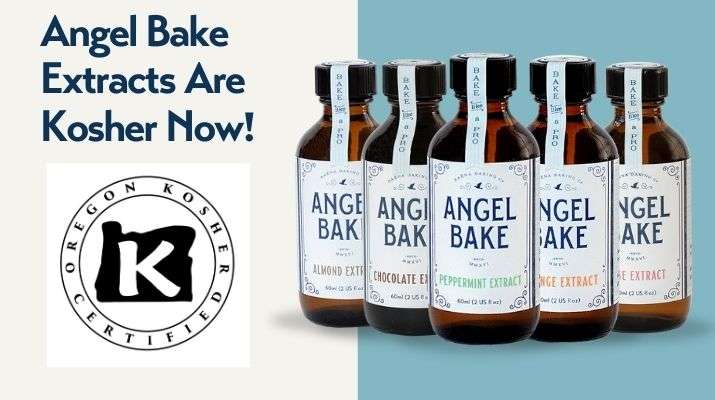
We are delighted to announce that Saena has successfully completed a rigorous audit by the Oregon Kosher Agency and received official Kosher certification for our manufacturing facility and select products. This certification highlights our continued commitment to meeting and exceeding the highest quality and dietary standards.
Our certified products include:
- Pure Almond Extract
- Pure Bulgarian Lavender Extract
- Pure Bulgarian Rose Extract
- Pure Cardamom Extract
- Pure Chocolate Extract
- Pure Clove Extract
- Pure Extract Giftset
- Pure Lemon Extract
- Pure Madagascar Vanilla Extract
- Pure Peppermint Extract
- Pure Star Anise Extract
- Pure Valencia Orange Extract
All of these products are certified Pareve, meeting stringent dietary guidelines that provide confidence to our customers. We will continue collaborating closely with our Kosher certification agency to ensure that all of our products—both current offerings and any future additions—consistently meet and maintain Kosher standards.
We proudly align ourselves with the values and integrity represented by the Oregon Kosher Agency, a respected leader in kosher supervision. For more details or to verify our certification, please visit the Oregon Kosher certification portal.
Thank you for your continued support as we strive to deliver products that reflect our unwavering dedication to quality and trust.
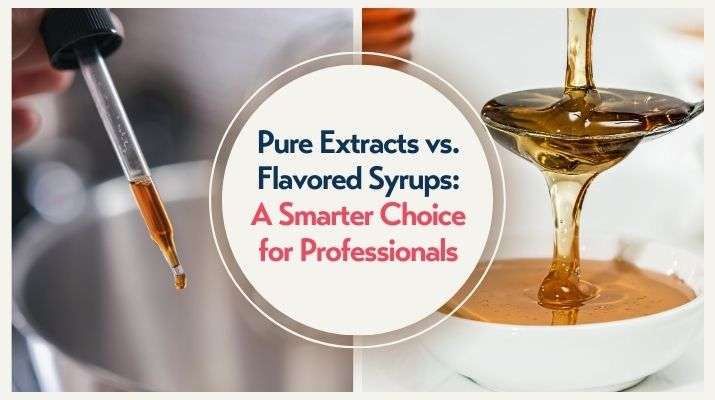
For chefs, bakers, baristas, and beverage developers, flavored syrups and concentrated flavors solve different formulation problems. Syrups combine flavor, sweetness, water, and viscosity in one ingredient. Unsweetened flavor concentrates let the formulator control those variables separately. The better choice depends on the finished product, service model, and desired ingredient statement.
1. Separate Flavor from Sweetness
Most conventional flavored syrups contribute both flavor and sweetener. Increasing the syrup normally increases both. With an unsweetened Angel Bake Culinary Aromatics extract, a professional can adjust flavor intensity separately from sugar, honey, or another sweetening system. This is useful for coffee, tea, cocktails, mocktails, sparkling beverages, glazes, and culinary syrups made to a house specification.
The flavored syrup bottles reviewed for this comparison list approximately 80–100 calories per one-ounce serving, primarily from sugar. Angel Bake extracts are unsweetened concentrated flavors, allowing the developer to create full-sugar, reduced-sugar, or unsweetened recipes without receiving a fixed amount of syrup sugar with every flavor addition. Nutrition claims for the finished food or beverage should still be calculated from the complete recipe and serving size.
3. Control Texture, Dilution, and Storage
Ready-to-use syrup adds water, sweetness, and volume. That can be convenient in a service setting, but it may be undesirable when the recipe already has its own sweetener or when storage space and dilution matter. Concentrated flavors require a separate recipe step but allow tighter control of solids, viscosity, and finished yield.
4. Documented Cost and Serving Advantage
A 2-ounce bottle of Angel Bake extract provides approximately 200–300 recommended servings. Angel Bake’s tested starting point is generally 3–5 drops per cup, adjusted for the particular flavor, desired intensity, and formulation. Compared with the serving information on the flavored syrup labels reviewed for this article, one Angel Bake bottle can flavor approximately six times as many servings. That means less package volume, less storage space, and a substantially lower flavor cost per finished serving.
For beverages, syrups, cocktails, mocktails, finishing, and other aqueous or alcohol-compatible systems, Culinary Aromatics alcohol-based extracts are generally the best starting point.
For formulations with a meaningful oil or fat phase—including chocolate, cocoa liquor, ice cream, candy, cake batter, buttercreams, fillings, sauces, and dressings—Pure Infusions MCT-based flavor oils are often more optimal, particularly when high heat is involved.
For dry beverage mixes, bakery premixes, or applications requiring dry dispersion or flavor protection, Culinary Crystals and Encapsulated Essences are available as made-to-order B2B formats.
The Professional Choice Is Application-Specific
Flavored syrup remains convenient when a standardized combination of sweetness and flavor is exactly what the operation needs. Angel Bake concentrates are valuable when the professional wants to manage flavor, sweetness, texture, and dosage as separate formulation decisions.
Use our flavor-format guide to compare all four lines, or contact Saena for a made-to-order dry format or technical application discussion.
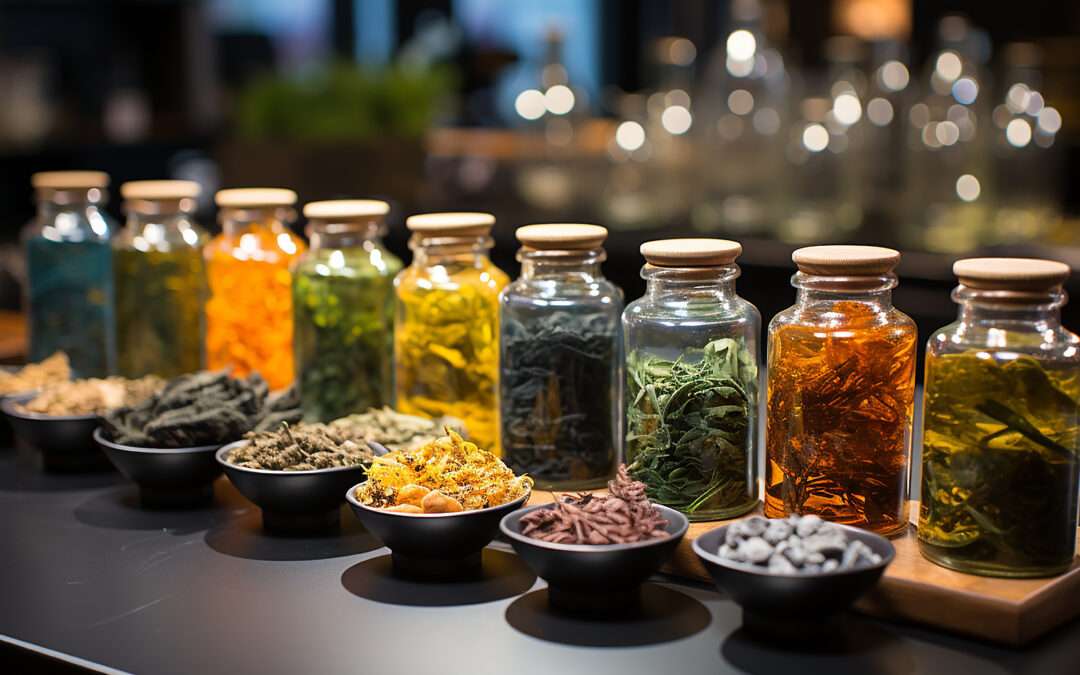
In professional kitchens, fresh botanicals, dried ingredients, and concentrated flavors each have a place. Fresh lemon zest, whole spices, and herbs can contribute texture, color, and visual identity. Concentrated flavors provide a different advantage: repeatable aroma and flavor with less preparation and a controlled addition to the recipe.
Angel Bake Culinary Aromatics are natural, unadulterated FTNF flavors, meaning From the Named Food. Pure Infusions provide an MCT based option for oil and fat phase applications. Saena also offers Culinary Crystals and Encapsulated Essences as made to order dry formats.
1. Concentrated Flavor and Aroma
Angel Bake Culinary Aromatics deliver a concentrated sensory impression with a small measured addition. This allows chefs to build flavor without grinding spices, zesting citrus, or steeping botanicals for every batch.
- Lemon: Add bright citrus flavor without the labor and texture of zest.
- Lavender: Add a controlled floral profile without pieces of dried botanical in the finished food.
- Cardamom: Add warm aromatic character without grinding and straining pods.
The goal is not always to replace the fresh ingredient. A chef may use both. Fresh material can provide appearance and texture, while a concentrated flavor establishes the desired sensory profile.
2. Consistency Across Batches
Fresh and dried botanicals can vary because of season, growing conditions, storage, handling, and time since harvest. A standardized Angel Bake flavor helps the kitchen establish a repeatable starting point. The chef can record the dosage and adjust for the particular recipe, flavor, and desired intensity.
3. Efficiency and Precision
Concentrated flavors reduce chopping, grinding, zesting, steeping, and straining when the recipe does not require the physical botanical. Use Angel Bake dosage recommendations as a starting point, then adjust through tasting and bench testing.
4. Storage and Cost
Fresh botanicals can perish quickly. Dried botanicals last longer, but their aroma may decline with age or poor storage. Concentrated flavors also require proper storage and stock rotation, but their compact format can simplify inventory and reduce preparation waste. Compare the complete cost per serving or batch, including labor, storage, dosage, and finished yield.
5. Choose the Carrier for the Application
Angel Bake Culinary Aromatics are alcohol based and contain no added water. They have been tested successfully in chocolate liquor, the cocoa mass used in chocolate making. The small amount of inherent moisture did not create processing problems in Angel Bake testing.
Pure Infusions are now the optimal starting point for chocolate, cocoa liquor, ice cream, candy, cake batter, breads, buttercreams, fillings, sauces, dressings, and other formulations with a meaningful oil or fat phase. They are also well suited to many high heat processes.
Culinary Aromatics remain useful in compatible chocolate work. A chocolatier may choose them when a slight alcohol bite is part of the intended sensory profile. The amount of alcohol that remains depends on dosage, temperature, processing time, and the point of addition.
6. Culinary Aromatics as a Finishing Mist
Culinary Aromatics can function much like a culinary perfume. A light spray or mist places fresh, concentrated aroma at the surface of a finished food, where it can be experienced immediately.
This technique can enhance pastries, chocolates, desserts, fruit, beverages, and plated savory dishes. Culinary perfume is a sensory analogy. Culinary Aromatics are food ingredients, not conventional fragrance products. Establish the appropriate dosage and application method before service.
- Culinary Aromatics: Alcohol based flavors for beverages, syrups, cocktails, finishing, aqueous systems, and culinary misting.
- Pure Infusions: MCT based flavor oils for oil and fat phase formulations and many high heat applications.
- Culinary Crystals: Made to order dry flavors for dry blending and immediate dispersion.
- Encapsulated Essences: Made to order dry flavors for applications that benefit from flavor protection during processing or storage.
Conclusion
Fresh and dried botanicals remain valuable ingredients. Angel Bake and Saena flavor formats give professional kitchens additional control over aroma, consistency, labor, dosage, and process compatibility. The best choice depends on the phase of the food, processing conditions, desired sensory effect, and ingredient declaration.
Explore Culinary Aromatics
Explore Pure Infusions
Compare all four lines in the Angel Bake flavor format guide, or contact Saena about a made to order dry format or technical application.

At Saena Baking Co., precision matters in both flavor use and ingredient declaration. The following dosage ranges are Angel Bake starting recommendations. Adjust them for the individual flavor, recipe, process, and desired sensory result.
- Liquids and Recipes Without Baking: Begin with 3 to 5 drops per cup. This range works well for beverages, honey, fillings, syrups, creams, and other applications that are not exposed to baking temperatures.
- Baked Goods: Begin with 5 to 6 drops per cup. The additional flavor helps compensate for aroma that may be reduced during baking.
Taste and bench test before scaling. Some flavors may require less. A stronger sensory target or a demanding process may require more.
- Culinary Aromatics: Alcohol based, natural, unadulterated FTNF flavors for beverages, syrups, cocktails, finishing, aqueous systems, and compatible culinary applications.
- Pure Infusions: MCT based flavor oils that are often the optimal starting point for chocolate, cocoa liquor, ice cream, candy, cake batter, breads, buttercreams, fillings, sauces, dressings, and other oil or fat phase formulations. They also suit many high heat processes.
- Culinary Crystals: Made to order dry flavors for dry blending and immediate dispersion.
- Encapsulated Essences: Made to order dry flavors for applications that benefit from flavor protection during processing or storage.
Tips for Flavor and Aroma
In syrups, jams, sauces, and creams, later addition can help retain fresh aroma when the process allows it. In other products, earlier addition may be needed for dispersion or processing. Test the flavor in the actual formula and complete production cycle.
Culinary Aromatics can also be applied as a finishing mist. A light spray places concentrated aroma at the surface of a finished food, creating an effect similar to a culinary perfume. Establish the correct dosage and application method before service.
Declaring Flavor Ingredients
Ingredient declaration belongs in the product’s ingredient statement, not the Nutrition Facts panel. Saena provides product specifications to support the customer’s labeling review.
Depending on the product, formulation, jurisdiction, and applicable regulations, the declaration may use a term such as:
- Natural flavor or natural flavoring
- A named extract, when the specification and applicable standard support that declaration
Do not select a declaration from this article alone. Use the specification for the exact ingredient purchased and confirm the finished label with the responsible regulatory professional. Requirements can change according to product category, market, and jurisdiction.
Quality, Documentation, and Support
Angel Bake Culinary Aromatics are natural, unadulterated FTNF flavors. Saena can provide the appropriate product specification and discuss format selection, recommended use, and application testing without disclosing proprietary formulation details.
Explore Culinary Aromatics
Explore Pure Infusions
Compare all four lines in the Angel Bake flavor format guide, or contact Saena for technical and documentation support.