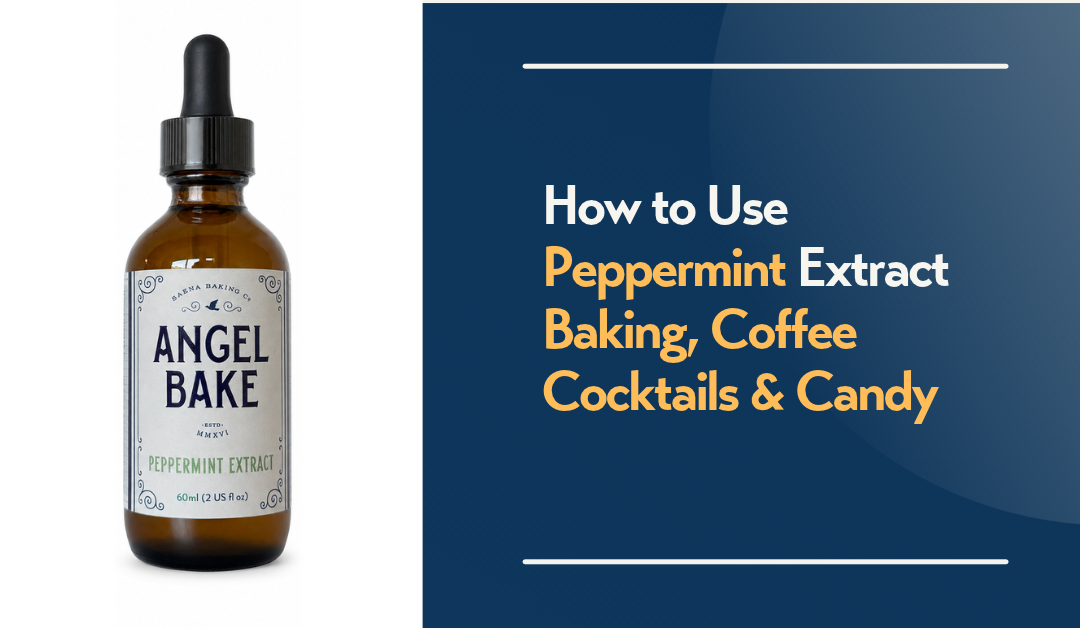
Peppermint extract tastes cool, bright, and clean, with a sweet minty finish that cuts through chocolate and cream. A few drops turn a brownie, a mocha, or a mug of hot chocolate into a holiday treat. Because peppermint is one of the boldest flavors you can bake with, the trick is using less than you think and putting it in the right place.
At a glance
- Bold flavor, small amounts. Start below the usual baseline and add a drop at a time.
- Extract for drinks and batters. Angel Bake Peppermint Culinary Aromatics® mixes into coffee, cocoa, frosting, and cake batter.
- Flavor oil for melted chocolate. Pure Infusions™ peppermint flavor oil is the choice for bark, truffles, and coatings.
- Finish with aroma. A light mist from the kit’s spray nozzle puts cool mint in the air before the first sip.
What peppermint brings to a recipe
Peppermint has a cooling lift that reads as freshness. Against dark chocolate it tastes crisp, against cream it tastes sweet and soft, and in coffee it brightens the roast without hiding it. That range is why it shows up in so many seasonal recipes.
It is also assertive. Too much turns cool into medicinal, and the flavor lingers on the palate. A recipe built around peppermint usually needs fewer drops than one built around a spice or citrus flavor.
Six favorite ways to use peppermint extract
- Peppermint mocha. Stir the extract into the espresso and chocolate sauce before adding steamed milk.
- Hot chocolate. Add it to the finished pot or mug, then top with whipped cream.
- Peppermint brownies. Mix it into the melted butter and sugar so it spreads evenly through the batter.
- Chocolate cake with mint frosting. Flavor the buttercream rather than the cake for a clear, clean mint layer.
- Peppermint bark. Use the flavor oil in the melted chocolate; more on that below.
- Whipped cream and ice cream. Fold the extract into cream before whipping, or into an ice cream base before churning.
How much peppermint extract to use
These are the house rates for Culinary Aromatics extracts. Peppermint is one of the assertive flavors, so start below the baseline, taste, and work up only if you need to.
| What you are flavoring |
Starting rate |
| Coffee, cocoa, and other drinks |
3 to 5 drops per cup |
| Frosting, whipped cream, ice cream base |
3 to 5 drops per cup |
| Brownie, cake, or cookie batter or dough |
5 to 7 drops per cup |
| Simple syrup for a coffee bar |
1/4 teaspoon (about 50 drops) per cup of syrup, which puts 3 to 5 drops in a finished drink |
The rates above are a starting point. Taste and adjust; every base is different. Our guide to how much extract to use has conversions from drops to teaspoons and batch sizes.
In coffee and cocoa, add it to the warm liquid
Peppermint mixes easily into hot coffee, espresso, and cocoa. Stir it into the coffee and chocolate first, then add milk and any sweetener. That way the mint is spread through the whole drink instead of floating at the top.
For iced drinks, add the extract to the coffee or milk before pouring over ice. If you run a coffee bar, a peppermint syrup made at the rate above keeps every drink consistent from the first pump to the last.
In baking, pair it with chocolate
Peppermint and chocolate are the classic match. Brownies, chocolate crinkle cookies, and devil’s food cake all carry it well. Add the extract with the wet ingredients so it is evenly mixed before the flour goes in.
In a vanilla sugar cookie or shortbread, peppermint is more noticeable, so stay at the low end. For a layered dessert, flavoring the frosting or filling often gives a cleaner mint note than flavoring the cake itself.
For bark, truffles, and candy, use the flavor oil
Melted chocolate does not welcome liquid additions. For peppermint bark, chocolate dipped pretzels, truffles, and coatings, use Pure Infusions peppermint flavor oil. It is carried in organic coconut derived MCT oil, it is alcohol free, and it blends into cocoa butter. Stir it into the melted chocolate before spreading or dipping.
Ganache and buttercream accept either format. Choose the extract when you also flavor a drink from the same bottle, and the oil when the dessert is mostly fat and chocolate. Our chocolate and candy flavoring guide goes deeper.
Finish with a mist of peppermint aroma
The Culinary Aromatics Kit comes with a dropper and a spray nozzle. The dropper flavors the recipe; the nozzle lets you mist a little peppermint over the top just before serving. A light spritz over whipped cream on a mocha, a slice of chocolate cake, or the rim of a holiday cocktail puts the cool mint aroma in front of your guest before the first bite or sip.
Because the aroma arrives first, a misted dessert can taste more minty without adding more to the recipe. Read more about aromatic finishing with flavor extracts.
Peppermint is not the same as spearmint
Peppermint is cooler and sharper. Spearmint is softer and greener, closer to fresh mint leaves. Most holiday recipes, candy canes, and mocha drinks are built on peppermint.
Shop peppermint
Angel Bake Peppermint Extract is No Sugar Added, Kosher Pareve, Non-GMO, Gluten-Free, and vegan, made with no added water and no propylene glycol, and a 2 oz bottle flavors more than 300 cups. Pick the 2 oz bottle or the Culinary Aromatics Kit with dropper and spray nozzle.
Running a café or bakery holiday menu? Gallon sizes are available through our wholesale inquiry page.
Keep exploring
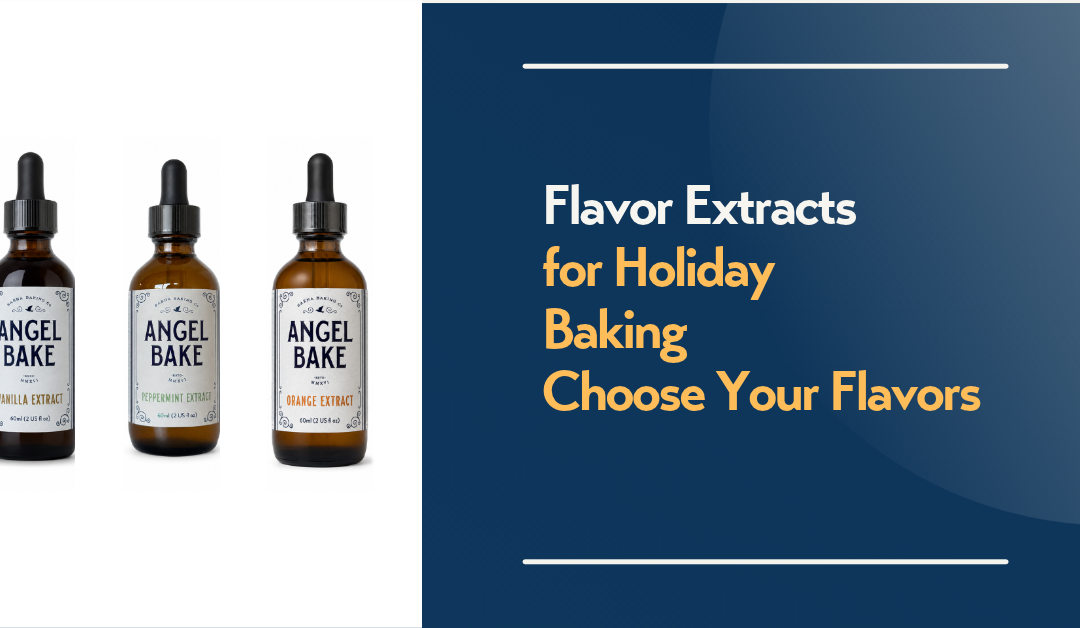
Holiday baking runs on a handful of flavors: peppermint, vanilla, orange, clove, cinnamon, and the warm mix we call pumpkin spice. Each one sets a different mood, from cool and festive to warm and spiced. Here is how to choose between them, where each one shines, and how much to use.
Quick picks
- Cool and festive: peppermint for bark, brownies, mocha, and hot chocolate.
- Warm and spiced: clove, cinnamon, and pumpkin spice for gingerbread, pies, and cookies.
- Bright and fresh: Valencia orange for cranberry bread, chocolate orange, and glazes.
- The foundation: vanilla under almost everything, including sugar cookies and eggnog.
The holiday flavor lineup
| Flavor |
What it tastes like |
Where it shines |
| Peppermint |
Cool, bright, clean |
Peppermint bark, brownies, mocha, hot chocolate |
| Vanilla |
Round, creamy, sweet |
Sugar cookies, eggnog, custards, frosting |
| Valencia orange |
Sweet, juicy citrus peel |
Cranberry orange bread, chocolate orange, glazes |
| Clove |
Deep, warm, slightly sweet |
Gingerbread, spice cake, mulled cider, ham glaze |
| Cinnamon |
Sweet, woody warmth |
Cinnamon rolls, snickerdoodles, apple pie |
| Pumpkin spice |
A balanced warm spice blend |
Pumpkin pie, spiced lattes, cheesecake |
| Almond |
Sweet, marzipan like |
Spritz cookies, stollen, cherry desserts |
Peppermint: the signature holiday note
Peppermint is what makes a dessert read as Christmas. It pairs best with dark chocolate and cream. Because it is bold, start with fewer drops than the baseline below. For bark and dipped treats, use the Pure Infusions™ peppermint flavor oil in the melted chocolate. Our peppermint guide covers drinks, baking, and candy in detail.
Warm spices: clove, cinnamon, and pumpkin spice
Clove is the deep note in gingerbread and spice cake. It is assertive, so like peppermint it starts below the baseline. Cinnamon is softer and sweeter and works almost anywhere. Pumpkin spice is a finished blend, so it saves you balancing four spices yourself; see pumpkin spice in coffee and baking.
A spice extract adds aroma without specks or grit, which is handy in a pale frosting, a custard, or a clear glaze where ground spice would show.
Orange: brightness for rich desserts
Valencia orange lifts heavy holiday baking. Add it to cranberry bread, chocolate cake, or a powdered sugar glaze. Chocolate orange is a classic for a reason: the citrus keeps a rich dessert from feeling heavy. See how to use orange extract.
Vanilla: the foundation under everything
Pure Vanilla Extract, Planifolia & Tahitian is the background flavor in sugar cookies, eggnog, custard, and nearly every frosting. Unlike the concentrated flavors on this page, vanilla is a standard strength extract. Use the amount your recipe calls for, one for one. The same goes for chocolate extract. Our vanilla guide has more.
How much to use
These rates apply to the concentrated Culinary Aromatics® extracts: peppermint, orange, clove, cinnamon, pumpkin spice, almond, and the rest of the collection. They do not apply to vanilla or chocolate, which you measure exactly as your recipe says.
| What you are flavoring |
Starting rate |
| Cocoa, coffee, cider, and other drinks |
3 to 5 drops per cup |
| Frosting, whipped cream, ice cream |
3 to 5 drops per cup |
| Cookie dough, cake batter, quick bread |
5 to 7 drops per cup |
| Holiday syrups |
1/4 teaspoon (about 50 drops) per cup of syrup, which puts 3 to 5 drops in a finished drink |
The rates above are a starting point. Taste and adjust; every base is different. Peppermint and clove are assertive, so start below the baseline with those two. The full dosing guide converts drops to teaspoons.
Finish holiday desserts with aroma
The Culinary Aromatics Kit includes a dropper and a spray nozzle. Use the dropper in the recipe, then mist a little peppermint over whipped cream, orange over a chocolate torte, or clove over a mug of cider right before serving. The aroma reaches your guests first, and it makes a simple dessert feel finished. Read about aromatic finishing.
One cookie dough, a whole holiday tray
Extracts make it easy to bake a varied cookie tray from a single batch of sugar cookie or shortbread dough. Divide the dough into four bowls and flavor each one differently: peppermint in one, orange and clove in another, almond in a third, and vanilla in the last. Mix the drops in well, chill, then roll or scoop as usual.
Decorate so the flavors are easy to tell apart: crushed candy canes on the peppermint, orange zest sugar on the orange clove, sliced almonds on the almond, sprinkles on the vanilla. Glazes and frostings take the same approach. A plain powdered sugar glaze flavored with orange or peppermint turns a simple bake into something that looks planned.
Two flavors at a time
Holiday flavors combine well, but two is usually enough. Try peppermint with vanilla, orange with clove, almond with cherry, or cinnamon with vanilla. Pick one lead flavor and let the second sit behind it.
Shop the holiday flavors
Our Culinary Aromatics extracts are No Sugar Added, Kosher Pareve, Non-GMO, Gluten-Free, and vegan, and a 2 oz bottle of a concentrated flavor covers more than 300 cups. For candy and chocolate, browse the Pure Infusions flavor oils.
Bakeries and cafés planning a seasonal menu can order gallon sizes through our wholesale inquiry page.
Keep exploring
A good pumpkin spice blend is balanced enough to use on its own. A memorable house profile often begins one step later, when a baker, barista, or product developer decides that the blend should be softer, brighter, or darker for a particular application.
Three useful controls
- Cinnamon broadens the familiar base. It makes the profile feel sweeter and more bakery centered without adding sugar.
- Ginger raises the energy. It brings peppery lift that helps the blend cut through dairy, sugar, and rich dough.
- Clove deepens the finish. It adds dark aromatic intensity and should remain a supporting note in most blends.
- The carrier still matters. Use the same carrier family for the base and the adjustment whenever practical.
Begin with a complete blend, then diagnose the finished food
Start with a balanced Pumpkin Spice Culinary Aromatics® or Pumpkin Spice Pure Infusions™. Complete a small bench sample in the real recipe. Only then decide whether the profile needs a stronger individual note.
This order matters. Tasting the flavor by itself can tell you about aroma, but it cannot show how coffee bitterness, chocolate, dairy, sugar, or baking heat will reshape it. The finished base is the most useful judge. If you are still building that base, our guide to using pumpkin spice in baking and drinks covers where to add it, and what pumpkin spice contains explains the five spices in the blend.
Customize the food you are making, not an abstract idea of pumpkin spice.
Cinnamon makes the blend feel familiar and generous
Cinnamon is usually the broadest note in pumpkin spice. It reads as sweet even when no sugar is present, and it connects naturally with pastry, coffee, dairy, apple, chocolate, and toasted flavors. Choose Cinnamon Culinary Aromatics for beverages and versatile baking, or Cinnamon Pure Infusions for chocolate and fat rich recipes.
Add more cinnamon when a blend feels too sharp, too dark, or unfamiliar. It can make an assertive spice profile easier to recognize, but too much can flatten the contrast that makes the blend interesting.
Ginger gives rich recipes a brighter exit
Ginger contributes peppery warmth and citrus like lift. That makes it especially useful when cream, butter, sugar, or chocolate is muting the top of the blend. Choose Ginger Culinary Aromatics for coffee, syrups, glazes, and wet phase baking, or Ginger Pure Infusions for fat rich dough, confectionery, and chocolate.
Increase ginger when the first taste is pleasant but the finish feels heavy. The goal is not necessarily to make the food taste like ginger. A small lift can simply keep the pumpkin spice profile from settling into one warm, sweet note.
Clove is the darkest and most assertive of the three controls. It can give chocolate, caramel, molasses, and dark roast coffee a longer aromatic finish. Choose Clove Culinary Aromatics for beverages and broad culinary use, or Clove Pure Infusions for fat rich applications.
Use clove when a blend feels thin or disappears behind a dark base. Stop before clove becomes the first flavor you can name. In most pumpkin spice work, it earns its place by making the blend feel complete rather than by announcing itself.
| If the finished product feels |
Adjust with |
Expected direction |
| Too sharp or unfamiliar |
Cinnamon |
Softer, broader, more bakery centered |
| Heavy or muted |
Ginger |
Brighter, livelier, cleaner finish |
| Thin beside chocolate, caramel, or molasses |
Clove |
Deeper, darker, longer aroma |
| Balanced already |
Nothing |
Keep the finished blend intact |
Keep the base and adjustment in the same carrier family
If the base flavor is Culinary Aromatics, reach first for individual Culinary Aromatics. If the base is Pure Infusions, reach first for individual Pure Infusions. That keeps the development logic simple and preserves the carrier choice already made for the recipe. See our guide to choosing the right pumpkin spice format for the full decision table, or the Angel Bake flavor format guide for every product line.
Record the reason for every adjustment
- Taste the complete control. Evaluate the unadjusted pumpkin spice version in the finished base.
- Name the problem in plain language. Too soft, too heavy, too sharp, or lost behind another ingredient is more useful than simply saying it needs more flavor.
- Change one note. Cinnamon, ginger, or clove should answer the problem you named.
- Retest after the real process. Bake, chill, set, or dilute the sample as the finished product requires.
- Write down the sensory result. A house profile becomes repeatable only when the development decision is recorded.
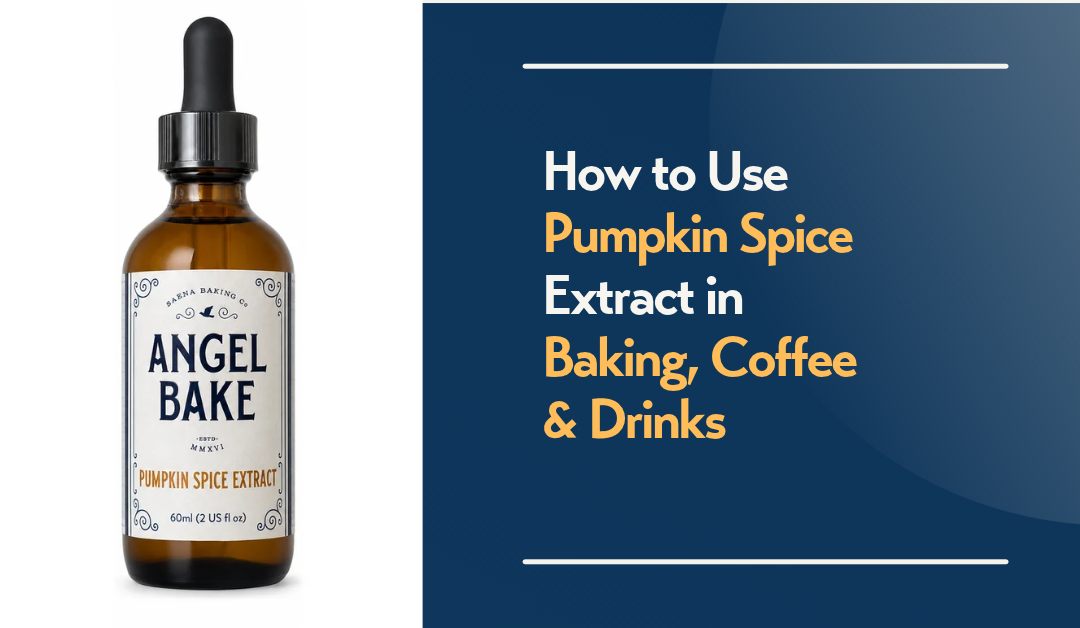
Pumpkin spice extract gives you the aroma of a balanced spice blend without adding ground spice, sweetness, or pumpkin puree. That makes it useful far beyond pie, but the best mixing point changes from a latte to a cookie to a chocolate filling.
Before you begin
- Decide whether you need spice, pumpkin, or both. The extract supplies the warm spice profile. Puree supplies pumpkin, color, moisture, and body.
- Match the format to the recipe. Culinary Aromatics suit many liquid systems while Pure Infusions suit fat rich systems.
- Build flavor before service or production. Test in the complete recipe because sugar, fat, dairy, coffee, and heat all change perception.
- Keep one note from taking over. Use individual cinnamon, ginger, or clove flavors only when the finished blend needs a deliberate adjustment.
If you are new to the blend itself, start with what pumpkin spice contains. For starting amounts in each kind of recipe, see our guide to how much extract to use.
In cakes and quick breads, add flavor with the wet ingredients
For pumpkin bread, muffins, snack cakes, and similar batters, Pumpkin Spice Culinary Aromatics® can be mixed with the wet ingredients before the flour goes in. That gives the flavor a chance to disperse before the batter thickens.
If the recipe already contains pumpkin puree, treat the puree and the spice as separate controls. The puree changes moisture, structure, color, and mild vegetable character. The extract adjusts the aromatic profile without forcing another structural change.
Cookies reveal whether the recipe is liquid led or butter led
A soft pumpkin cookie with puree and eggs behaves differently from shortbread or a butter cookie. The first has an obvious wet phase and often suits the extract. The second depends heavily on fat, so Pure Infusions may distribute more naturally through the dough.
This is why “for baking” is not a complete format decision. Read the recipe first, then use our guide to choosing the right pumpkin spice format if the right carrier is not obvious.
Coffee needs aroma without compulsory sweetness
Pumpkin spice coffee often arrives as a sweetened syrup, but sweetness and spice do not have to be purchased as one decision. An unsweetened extract lets a café or home barista create the spice profile first, then sweeten for the drink in front of them.
In a latte, the flavor can be incorporated into the syrup, the milk component, or the assembled drink. In cold brew, it can be built into a service concentrate or added during final preparation. What matters is consistent mixing and a complete taste check after milk, ice, and sweetener are present.
Pumpkin spice does not require pumpkin
A seasonal coffee can accurately taste like pumpkin spice without containing pumpkin. If actual pumpkin is part of the recipe, identify it separately rather than treating the two ideas as interchangeable.
For a pumpkin spice chocolate bar, praline, caramel, or fat rich filling, begin with Pumpkin Spice Pure Infusions™. Its organic coconut derived MCT carrier joins the fat phase directly and is palm free.
Add the flavor at a point where it can disperse evenly, then evaluate the finished confection after it has cooled or set. Warm chocolate releases aroma differently from a finished bar, and a bench sample that smells balanced in the bowl can read differently at service temperature.
American buttercream contains a great deal of fat but also has a forgiving mixing process. Cream cheese frosting contains more water. Meringue buttercreams are emulsions. Either format may work, so choose a small bench trial instead of assuming every frosting wants the same carrier.
The same principle applies to cheesecake, pastry cream, and ice cream. Look at the phase in which the flavor will be introduced, then taste only after the full base is assembled.
How much pumpkin spice extract to use
Pumpkin spice extract is concentrated, so a little goes a long way. Use these rates per cup of the finished food or drink.
| Application |
Starting rate |
| Latte, coffee, tea, hot cider |
3 to 5 drops per cup |
| Frosting, whipped cream, cheesecake filling, ice cream |
3 to 5 drops per cup |
| Cake, muffin, quick bread or cookie batter |
5 to 7 drops per cup |
| House syrup for coffee drinks |
1/4 teaspoon, about 50 drops, per cup of syrup |
The rates above are a starting point. Taste and adjust; every base is different. See our guide to how much extract to use for conversions to teaspoons and milliliters.
Finish a pumpkin spice latte with aroma
The Culinary Aromatics® Kit comes with a dropper and a spray nozzle. Flavor the drink with the dropper, then give the milk foam or whipped cream one light mist just before serving. The warm spice reaches the guest before the first sip, which is exactly what a seasonal drink should do. Read more about aromatic finishing.
Three individual spices can turn one seasonal flavor into a house profile
| Spice |
Use it when the blend should feel |
| Cinnamon |
Sweeter, softer, and more familiar |
| Ginger |
Brighter, with peppery lift and a cleaner finish |
| Clove |
Darker and deeper, used sparingly |
The full method is in our guide to customizing pumpkin spice with individual spices. All three are available as both Culinary Aromatics and Pure Infusions, so the adjustment can follow the same format choice as the base blend.
Build the seasonal flavor your recipe actually needs
Start with Pumpkin Spice Culinary Aromatics for coffee, beverages, and broad baking use, or Pumpkin Spice Pure Infusions for chocolate and fat rich systems. Then use individual spice flavors only when your finished recipe tells you what is missing.
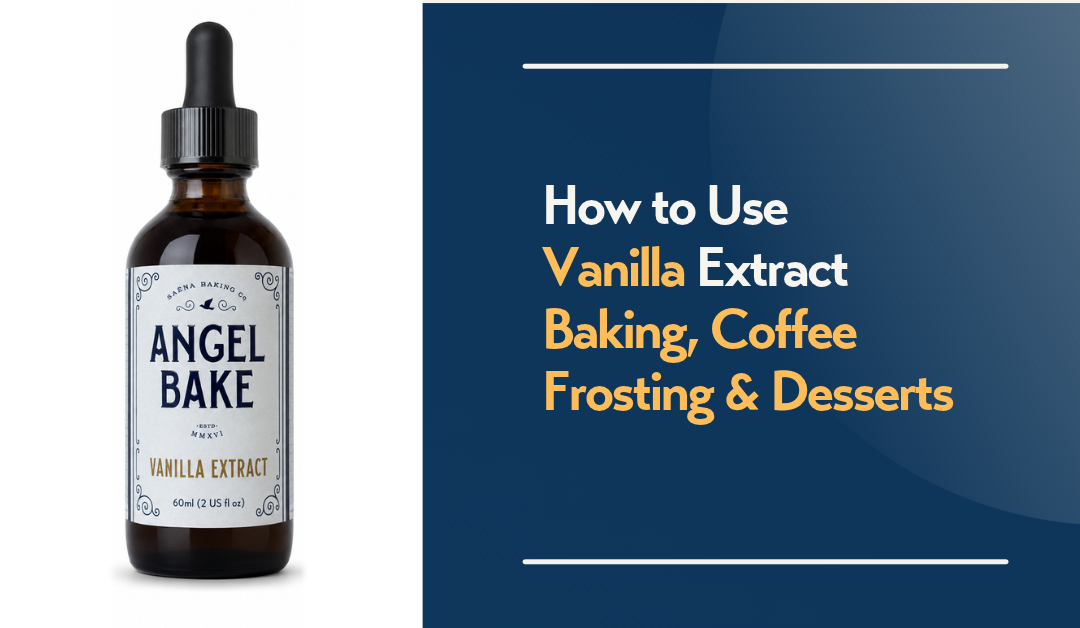
If you are deciding how to use vanilla extract, begin with the role you want it to play. Vanilla can be the flavor everyone notices, or it can sit quietly behind butter, chocolate, coffee, fruit, and warm spices and make the whole recipe feel more complete.
Vanilla works in more than one way
- Let it lead in simple recipes. Shortbread, vanilla cake, custard, whipped cream, and a plain latte give its aroma room to open.
- Use it to connect other flavors. Chocolate, coffee, caramel, nuts, citrus, and spice often taste rounder when vanilla fills the space between them.
- Add it with a compatible liquid. In most batters, drinks, syrups, and frostings, mix the extract into the wet ingredients before the mixture becomes thick.
- Taste the finished application. Cold dairy, hot coffee, baking heat, and strong cocoa can each change how much vanilla you notice.
How to use vanilla extract when vanilla is the main flavor
Vanilla has nowhere to hide in a simple cake, custard, butter cookie, or whipped cream. That is useful. It lets you notice whether the extract reads as warm and woody, soft and floral, or sharp against the other ingredients.
Angel Bake® Pure Vanilla Extract, Planifolia & Tahitian combines Planifolia and Tahitian vanilla. Planifolia supplies the familiar deep vanilla body, while Tahitian vanilla contributes a more floral edge. In a simple base, that combination creates dimension without asking sugar to do all the work.
Vanilla extract has a defined identity
The United States standard for vanilla extract specifies vanilla constituents in an alcohol and water solution with at least 35 percent alcohol by volume. You can read the current definition in 21 CFR 169.175. The carrier is part of how vanilla aroma is extracted and delivered, not an accidental ingredient.
Cakes and quick breads want vanilla in the wet phase
For cakes, muffins, loaf cakes, and quick breads, stir the vanilla into the wet ingredients. That may be the eggs, milk, cream, or another liquid component. Early mixing gives the extract a chance to spread before flour thickens the batter.
Vanilla can lead, but it is just as valuable in recipes named for something else. In banana bread it rounds the ripe fruit. In chocolate cake it softens hard edges in the cocoa. In a spice cake it joins cinnamon, ginger, and clove without turning the cake into a vanilla dessert.
Cookies show whether vanilla is a headline or a supporting note
Sugar cookies and shortbread make vanilla easy to recognize. Chocolate chip cookies, molasses cookies, and nut cookies use it differently. There, vanilla sits underneath the obvious flavor and makes the finish feel longer and less abrupt.
Mix the extract with the egg or another wet ingredient before it meets the flour. In a butter rich dough, take a moment to mix thoroughly. A finished cookie should not offer one isolated pocket of aroma and then none in the next bite.
Frosting needs a final taste after the sugar is in
Buttercream can mute vanilla because butter and sugar both absorb attention. Add the extract while the frosting is mixing, then taste only after the texture and sweetness are where you want them. A thin, unfinished frosting will not tell you how the aroma will read on the cake.
Cream cheese frosting brings tang. Chocolate frosting brings bitterness. Meringue buttercream is lighter and less sweet. The same vanilla will seem different in each one, which is why a recipe name is not a substitute for tasting the complete base.
Coffee uses vanilla best when sweetness stays a separate decision
Vanilla and coffee share roasted, warm, and slightly bitter notes, so they meet easily. An unsweetened extract lets you decide how much vanilla the drink needs before deciding how sweet it should be. That is useful in a latte, cold brew, mocha, or a syrup made for several drinks.
In hot coffee, aroma rises quickly. In iced coffee, cold temperature can make it seem quieter. Build the finished drink with milk, ice, and sweetener before making the final judgment.
Custards and cold desserts reveal vanilla after resting
Custard, panna cotta, cheesecake, ice cream, and whipped cream often taste different after chilling. Vanilla that seemed modest while the base was warm may become clearer after the fat has set and the other aromas have settled.
Add the extract at a point where it can disperse evenly, then evaluate the dessert at its serving temperature. That small discipline is more useful than chasing a universal quantity.
| Pair vanilla with |
What vanilla contributes |
Good starting applications |
| Chocolate and cocoa |
Rounds bitterness and extends the finish |
Cake, brownies, frosting, mocha |
| Coffee and caramel |
Connects roasted and cooked sugar notes |
Latte, cold brew, caramel sauce |
| Orange and lemon |
Softens sharp citrus edges |
Cakes, glaze, custard |
| Cinnamon and clove |
Creates a warmer, fuller spice profile |
Cookies, quick breads, holiday drinks |
| Almond and nuts |
Adds softness around toasted notes |
Cookies, pastry cream, frosting |
For the seasonal view, continue to our guide to flavor extracts for holiday baking. Vanilla is the quiet connector in that group, while peppermint, orange, clove, and pumpkin spice provide the more obvious direction.
Short answer: some of it leaves, not all of it, and anyone who tells you it all burns off is repeating something the published data does not support. The better question is why it is in the bottle at all. Alcohol is there because it is the finest carrier of aroma we have, which is the same reason it has been the backbone of perfumery for centuries.
The short version
- Alcohol is the carrier, and that is a design decision. It dissolves aromatic compounds water cannot touch, then releases them cleanly into the air where you can smell them.
- Aroma is most of what you call flavor. A carrier that moves aroma is not packaging. It is the delivery system.
- Some evaporates, some remains. How much depends on method and time, and heat alone does less than people assume.
- Assume none of it leaves and it still barely registers. A teaspoon of vanilla extract holds about as much alcohol as an inch and a half of a light beer, and that teaspoon flavors a whole batch.
- Fat based work is a different problem, and it has its own answer: an oil carrier, built for the job rather than substituted into it.
Alcohol carries aroma better than anything else we could put in the bottle
Open any bottle of perfume and you are holding aromatic compounds dissolved in alcohol. The alcohol is not a diluent and it is not a cost saving. It is volatile, so it lifts off and carries those compounds into the air where your nose can reach them. Take it away and the aroma sits there, sullen and closed. Perfumery settled this question centuries ago and has not revisited it.
Flavor works on the same physics, because most of what you experience as taste is actually smell. Your tongue contributes sweet, salt, sour, bitter and savory. Everything else, the vanilla, the rose, the cardamom, arrives through the back of your nose while you chew. That is why a cake baking fills a house and a photograph of one does nothing.
Food grade alcohol dissolves flavor compounds that water leaves behind, holds them in a stable solution that does not separate or degrade on the shelf, and releases them the moment the extract meets heat, fat or liquid. Nothing else available to a food manufacturer does all three as well.
That is why Culinary Aromatics® are built on an organic cane sugar alcohol carrier with no added water, and it is why the line is named for aroma rather than for taste.
It is also why the range includes a fine mist spritzer. You can aromatize a coffee, a cocktail glass, a plated dessert or a tasting flight at the moment it reaches the guest, putting aroma exactly where it does the most work and adding no moisture at all. We cover that whole approach in flavoring, aromatization, finishing and enhancement, and the carrier question itself in what carrier is in your flavor.
Perfumery settled this centuries ago. Flavor runs on the same physics.
Which is why vanilla extract is legally required to contain it
Under 21 CFR 169.175, the standard of identity for vanilla extract sets the alcohol content at not less than 35 percent by volume. Not as a maximum to be tolerated. As a minimum, below which the product is not vanilla extract.
That standard exists because the people who wrote it understood what makes vanilla extract work. A product below the threshold can be many things, but it cannot carry the name. So when you see a bottle marketed as alcohol free vanilla, read the front panel. It will say flavor, flavoring or essence, and it will be carrying the vanilla in something else.
Some of it leaves during cooking. Not all of it
The United States Department of Agriculture publishes retention factors for alcohol in cooked food, and they are not flattering to the folk wisdom. Heat alone does very little. Stirring an extract into a batter and baking it does not drive the alcohol off the way people picture. Time does more than temperature, and even a long simmer leaves a measurable fraction behind.
So the claim that it all cooks out is not true, and we would rather say so plainly than repeat something comfortable. The useful question is the one nobody asks next: a measurable fraction of what?
What it adds up to, next to a light beer
Take the least favorable assumption available, that not one drop leaves during cooking, and see where it lands.
| |
Alcohol it contains |
| A 12 oz light beer, about 4 percent |
roughly 14 ml |
| A teaspoon of vanilla extract, at the federal minimum of 35 percent |
roughly 1.7 ml |
The whole teaspoon, undiluted and undivided, carries about one eighth of what is in a single light beer. Put another way, it is the alcohol you would get from about an inch and a half of the can.
And nobody drinks the teaspoon. It goes into a batch. If a recipe calls for a teaspoon and the finished batch serves twelve, one serving carries roughly one percent of a light beer. You would need to eat something like a hundred servings, in one sitting, to match one beer. That is before any allowance for the portion that does evaporate, which is real.
Run it on your own recipe
Multiply the volume of extract by its alcohol percentage. That is the alcohol that went in, assuming none leaves. Divide by the number of servings the batch yields.
Compare the result against 14 ml, which is roughly what a light beer holds. We would rather hand you the arithmetic than a reassuring adjective.
What alcohol free actually means on a label
Removing the alcohol does not remove the need for a carrier. Something still has to dissolve the flavor and let it go again. The usual substitutes are propylene glycol, glycerin or water, and each one costs you something.
Propylene glycol is the workhorse of the flavor industry and it appears on your ingredient statement. Glycerin is sweet, which shifts the balance of whatever you add it to. Water based systems need a preservation strategy, because water supports microbial growth that alcohol does not.
Four things we can state about every Culinary Aromatics® extract, each of which sits on a specification sheet rather than in a marketing line:
- No synthetic or artificial flavor ingredients.
- No propylene glycol.
- No added water.
- Built from the named botanical only, which is what keeps a with other natural flavors qualifier off a customer’s front panel.
Where an oil carrier is the better engineering choice
None of this makes alcohol the answer to everything. A carrier has to match the system it is going into, and fat based work is a genuinely different problem.
Our Pure Infusions™ flavor oils carry many of the same botanicals in an organic coconut derived MCT base. They are oil soluble and heat stable, which makes them the right tool for chocolate, ganache, compound coatings, icings, nut butters, dressings and anything else built on fat. That is not a compromise version of an extract. It is a different instrument, and in those applications it is the better one.
The reverse is equally true. An oil will not disperse through a batter, a syrup, a coffee or a cocktail, and an extract will. Choose by the system you are flavoring rather than by which carrier sounds preferable in the abstract. We put the two side by side in oil based versus alcohol based flavor.
There are also reasons to keep alcohol out that have nothing to do with performance. Some are religious, some are personal. For those, an oil based flavoring is the honest alternative, rather than an extract relabelled to sound like one.
Which format fits what you are making
Culinary Aromatics® extracts
Alcohol carrier, no added water. Disperses through batters, doughs, syrups, coffee, tea and cocktails, and sprays as a fine mist for finishing and aromatization.
Water based systems
Pure Infusions™ flavor oils
MCT carrier from organic coconut. Oil soluble and heat stable, built for chocolate, confectionery, icings, nut butters and dressings.
Fat based systems
Both are Kosher PAREVE through Oregon Kosher, Non-GMO, Gluten-Free, and vegan, and both are produced in an NSF third party certified GMP and HACCP facility.
Buying in volume
Bakeries, roasteries, and beverage producers can order the same extracts in 1 gallon and larger sizes, with a certificate of analysis on every lot. Specification sheets are available on request through saenafoods.com.
Alcohol retention behaviour is described by the United States Department of Agriculture nutrient retention factors. The vanilla extract standard of identity is 21 CFR 169.175. Comparison figures use a 12 fl oz light beer at 4 percent alcohol by volume and a US teaspoon of extract at 35 percent.